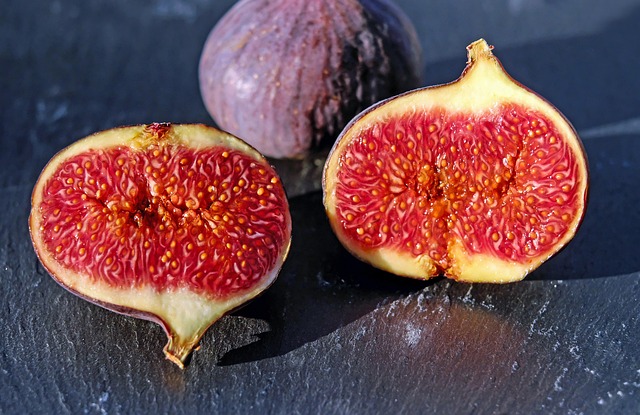
Anjeer tree in india has been part of our gardening plans for years. We have always loved how this tree looks in a backyard after a long summer day.
One of our neighbors grew a healthy anjeer that dropped sweet fruits on the ground and the aroma filled the lane. That was when we decided to learn everything about it and share it with you.
“The anjeer tree in India grows like a quiet companion that rewards patience with sweetness.”
Introduction
We meet many gardeners who want a tree that grows fast gives shade and still offers delicious fruit. The anjeer tree fits that idea perfectly.
It is hardy simple to maintain and steady in most Indian climates. The tree belongs to the fig family and produces soft fruits with a unique taste that works well fresh or dried.
The anjeer tree feels like a practical choice for a home garden. It needs moderate care and thrives in both pots and open land. Many beginners start with this tree because it responds quickly to good sunlight and proper watering.
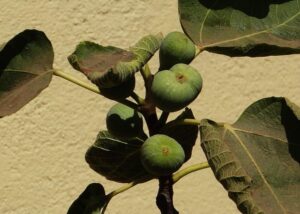
Here is a simple table with key details that help you understand its nature.
| Feature | Description |
|---|---|
| Scientific name | Ficus carica |
| Family | Moraceae |
| Growth habit | Small to medium tree |
| Average height | 3 to 9 meters |
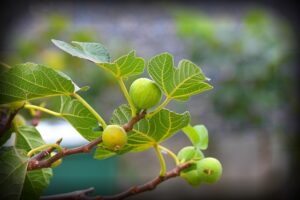
| Fruit type | Soft fig with pink pulp |
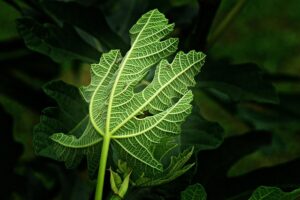
| Leaf shape | Broad with deep lobes |
| Ideal climate | Warm dry regions |
| Lifespan | Several decades with care |
| Best use | Fruits shade ornament |
History and Origin
The anjeer tree has an old and respected journey. It travelled through the Middle East then entered India through traders and travellers. It grew well in dry regions which made it valuable for early settlements. Ancient texts also mention figs as symbols of abundance.
People understood the value of this tree long before modern farming started. It offered nutrition survived harsh seasons and needed less care than many fruit trees. Over time it became a steady part of Indian home gardens and orchards.
Etymology
The word anjeer comes from the Persian word anjir. The plant later earned names in different Indian languages which spread through trade routes.
Its botanical name Ficus carica connects it with the region of Caria in ancient Asia Minor.
Ideal Growing Conditions
Soil
Anjeer trees grow in well drained soil. Sandy loam works best because it keeps roots airy and prevents water stagnation. Soil with too much moisture can harm the tree so we keep the base slightly raised.
Water
We water young plants more often because their roots dry faster. Mature trees need moderate and regular watering. Deep watering once or twice a week keeps the soil moist without turning soggy.
Sunlight
The anjeer tree loves full sun. It needs bright light for healthy leaves and sweet fruits. A spot that gets at least six hours of direct sunlight works well.
Temperature
The ideal temperature for growth stays between 15°C and 30°C. Mild winters are safe but extreme cold can damage tender growth. Hot summers do not bother the tree as long as watering stays balanced.
Region Suitability
The tree grows well in western India southern states dry northern plains and semi arid regions. Coastal areas also support the plant if drainage stays strong.
When to Plant Seeds or Buy Saplings
We usually recommend saplings because they grow faster and fruit earlier. Plant saplings during early spring or the end of winter when the soil starts warming.
Seeds can be planted too but they take longer and may not match the fruit quality of parent trees. If you choose seeds sow them in warm trays keep them moist and shift them only after they grow stable roots.
Popular Varieties or Species
Here are some well known types of anjeer grown in India.
Poona Fig
- Native place: Maharashtra
- Fruit or flower name: Medium round figs with soft pulp
- Ideal climate: Dry warm regions
Brown Turkey
- Native place: Mediterranean region
- Fruit or flower name: Brown figs with sweet taste
- Ideal climate: Mild winter and warm summer
Conadria
- Native place: California
- Fruit or flower name: Large greenish figs
- Ideal climate: Semi arid zones
Mission Fig
- Native place: Spain
- Fruit or flower name: Blackish figs with a rich flavor
- Ideal climate: Warm and dry plains
Deanna Fig
- Native place: United States
- Fruit or flower name: Large yellow figs
- Ideal climate: Areas with long summers
Tree Care and Maintenance
Pruning helps control the height and encourages fresh fruiting wood. We trim weak branches during late winter before new growth starts. This keeps the canopy open and allows sunlight to reach every leaf.
Watering stays simple if you follow a steady routine. Young trees need more attention because their roots dry fast. Mature trees enjoy deep watering once or twice a week. Always check the upper soil layer before watering.
A balanced fertilizer helps the tree grow strong. Use compost or well rotted manure during early spring. A light feeding before fruiting season supports better yields.
Mulching reduces heat stress and keeps roots cool. Dry leaves coconut husk or straw make useful mulch. Spread it around the base while keeping the stem free.
Propagation can be done through cuttings. Choose a healthy branch trim it clean and plant it in moist soil. Cuttings root easily which makes the anjeer a friendly plant for beginners.
Common Problems and Solutions
Pests like mealybugs scale insects and aphids sometimes attack young shoots. Washing leaves with mild soap water helps. Neem oil sprays also work well for prevention.
Diseases include fungal infections caused by excess moisture. Good drainage solves most of these issues. Prune infected branches early and avoid overhead watering.
Fruit drop happens when watering becomes irregular or when the tree gets sudden temperature changes. Keeping soil moisture steady usually fixes the problem.
Economic and Environmental Importance
Farmers in dry regions grow anjeer as a profitable fruit crop. It needs less water compared to many fruit trees which reduces farming cost. Fresh fruits have good demand in local markets and dried figs fetch higher prices.
The tree supports the environment by offering shade reducing soil erosion and attracting pollinators. Like other trees it stores carbon and improves air quality which makes it valuable for sustainable gardening.
Interesting Facts
- Anjeer trees can grow in pots and still produce good fruit with proper care.
- Some varieties produce two fruiting cycles in a year.
- The tree is one of the oldest cultivated fruit plants known to early civilizations.
- Anjeer saplings bounce back quickly even after pruning or light damage.
- Birds love ripe figs which often leads gardeners to protect the fruit with nets.
FAQs
1. How long does an anjeer tree take to bear fruit?
An anjeer tree grown from a healthy sapling usually starts fruiting in two to three years. The timeline may shift based on sunlight soil quality and watering habits. Trees grown from seeds take longer and may not offer the same fruit quality as grafted or nursery raised plants.
2. Can we grow an anjeer tree in a pot?
Yes we can grow anjeer in a medium or large pot with good drainage. The plant needs full sunlight regular watering and strong soil mix. Pruning becomes more important in pots to maintain shape and ensure good fruit size. With the right care potted anjeer trees can stay productive for many years.
3. Why do anjeer fruits drop before ripening?
Fruit drop happens when the tree gets uneven watering heat stress or poor pollination. Keeping a stable watering routine helps the tree hold its fruits better. Sudden changes in weather can also cause drops so adding mulch and supporting the soil helps control these issues.
4. How can we improve fruit sweetness?
Sweetness depends on sunlight warm temperatures and balanced feeding. If the tree gets enough light the fruits develop richer flavor. A little compost in early spring and a second feeding before fruiting season strengthens the tree and supports better sugar buildup.
5. Do anjeer trees attract pests?
They attract some common garden pests but most problems stay manageable with simple care. We use neem spray and soap water when early signs appear. Healthy trees rarely suffer long term damage because they resist pests better when they get proper sunlight and water.
Conclusion
The anjeer tree in India feels like a gift for gardeners who want a simple fruit tree with steady rewards. It grows well in most regions gives shade supports birds and offers fruits that feel both nutritious and comforting. Once you plant it and follow a basic care routine the tree becomes a long lasting part of your garden.
Thanks for reading. Keep growing keep exploring and don’t forget to return here at gardeningbud.com for more plants tips and gardening wisdom