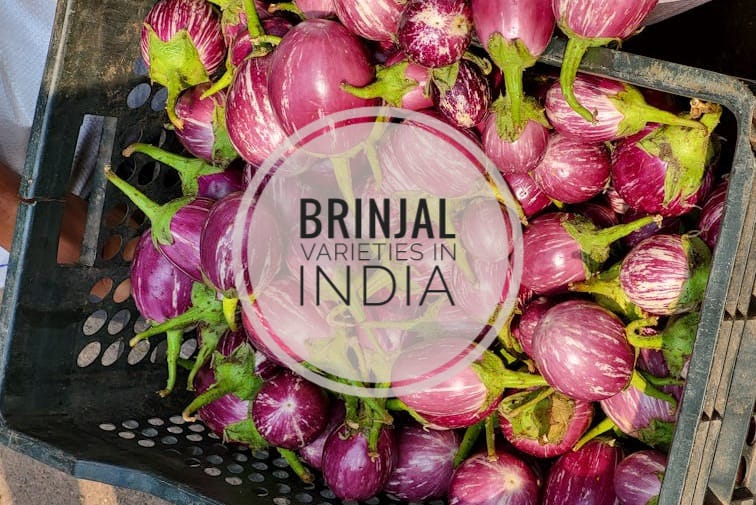
Brinjal varieties in India always amazed us whenever we walked through a busy vegetable market and saw the colors shapes and sizes lined up like a display of little purple gems.
One day we picked three different types just out of curiosity and that small experiment completely changed how we look at this humble crop.
“A single brinjal plant can surprise you with more colors and textures than you expect. That is the charm of varieties in India.”
Introduction
We meet many gardeners who want to grow brinjal but get confused by the huge range of shapes and shades. This vegetable is easy to grow once we understand a few basics.
It belongs to the nightshade family and grows well in most Indian climates if we give it warm soil good sunlight and timely care. Before we explore the varieties let us take a quick overview of brinjal as a vegetable.
Brinjal overview table
| Feature | Details |
|---|---|
| Plant type | Warm season vegetable |
| Best season | Summer to monsoon in most regions |
| Growth habit | Bushy plant with medium branching |
| Fruit color | Purple green white striped |
| Fruit shape | Round long oval egg shaped |
| Temperature | 20 to 30°C ideal |
| Soil type | Well drained loamy soil |
| Sunlight | Full sun |
| Water need | Regular but controlled |
| Maturity time | 60 to 90 days depending on variety |
History and Origin
Brinjal has a long journey across cultures. It is believed to have originated in India and parts of Southeast Asia. Ancient texts mention it as a useful vegetable that supported both daily cooking and simple medicinal practices.
Traders spread it from India to the Middle East then to Europe where it slowly gained acceptance. In many Indian households elders still call it baingan while some regions use names like vankaya or kathirikai.
Growing Conditions
Brinjal loves warmth. We make sure the soil stays loose and fertile so roots can spread easily.
- Soil: Loose loam with organic matter. pH slightly acidic to neutral.
- Water: Regular watering without flooding. Soggy soil weakens the plant.
- Sunlight: At least six hours of direct sun for better yield.
- Temperature: Prefers 20 to 30°C. Growth slows below 15°C.
- Spacing: Good airflow prevents common diseases.
Popular Brinjal Varieties in India
Brinjal varieties show amazing diversity in India. Each one has its own look taste and cooking style. These descriptions and tables help readers see the differences clearly.
1. Pusa Purple Long
This slender glossy variety is steady dependable and perfect for beginners. It handles warm dry weather well and gives a uniform harvest with tender flavourful fruits.
| Feature | Detail |
|---|---|
| Native place | North India |
| Fruit name | Long purple brinjal |
| Fruit size | 6 to 8 inches |
| Climate type | Warm dry regions |
| Dishes | Bharta light gravy sabzi |
2. Black Beauty
A smooth dark variety known for its rich taste and creamy texture after cooking. It grows well in humid areas and suits both home gardens and farms.
| Feature | Detail |
|---|---|
| Native place | Widely cultivated hybrid |
| Fruit name | Glossy dark purple fruit |
| Fruit size | 4 to 6 inches |
| Climate type | Warm humid areas |
| Dishes | Roasting frying grilling |
3. Green Long
Green Long fruits stay firm after cooking and have a gentle mild taste. We often see them in eastern markets where they are used for light stir fry and simple gravies.
| Feature | Detail |
|---|---|
| Native place | Eastern India |
| Fruit name | Green long brinjal |
| Fruit size | 5 to 7 inches |
| Climate type | Warm humid zones |
| Dishes | Stir fry mixed veg |
4. White Brinjal
A soft delicate variety with white skin and smooth flesh. It cooks faster than purple types and blends well into mild masala and coconut based dishes.
| Feature | Detail |
|---|---|
| Native place | Southern regions |
| Fruit name | White oval fruit |
| Fruit size | 3 to 5 inches |
| Climate type | Hot moderate zones |
| Dishes | Soft curries light masala |
5. Round Purple
This classic round type is widely used for stuffed recipes. It has a deep flavour and stays firm enough to hold spices well.
| Feature | Detail |
|---|---|
| Native place | Central India |
| Fruit name | Round purple baingan |
| Fruit size | 3 to 4 inches |
| Climate type | Warm light humid |
| Dishes | Bharwa baingan dry sabzi |
6. Pusa Anmol
A reliable variety developed for better yield and resistance. The fruits are medium long with balanced taste and work well for everyday cooking.
| Feature | Detail |
|---|---|
| Native place | North India |
| Fruit name | Medium long purple fruit |
| Fruit size | 5 to 6 inches |
| Climate type | Warm moderate regions |
| Dishes | Everyday curries mixed veg |
7. Stripeless Green Oval
A gentle soft variety often grown in humid regions. Its oval fruits have a mild flavour that suits light stir fry and simple homestyle dishes.
| Feature | Detail |
|---|---|
| Native place | Eastern belt |
| Fruit name | Soft green oval brinjal |
| Fruit size | 3 to 4 inches |
| Climate type | Warm wet climates |
| Dishes | Stir fry gravies |
8. Bharpur Hybrid
Growers love this hybrid for its strong plants and dependable harvest. It tolerates heat well and produces long dark fruits with stable flavour.
| Feature | Detail |
|---|---|
| Native place | Grown widely |
| Fruit name | Long dark brinjal |
| Fruit size | 7 to 9 inches |
| Climate type | Warm semi humid |
| Dishes | Bharta roasting |
9. Mattu Gulla
A rare heritage variety from coastal Karnataka. It has a gentle sweetness and soft flesh that blends beautifully in traditional coconut based curries.
| Feature | Detail |
|---|---|
| Native place | Karnataka Udupi region |
| Fruit name | Light green round fruit |
| Fruit size | 3 to 4 inches |
| Climate type | Coastal warm |
| Dishes | Udupi style curries sambar |
10. Purple Cluster
A unique type that produces many small fruits in clusters. It grows well in dry warm zones and stays productive even with minimal care.
| Feature | Detail |
|---|---|
| Native place | Rural Maharashtra |
| Fruit name | Small clustered purple fruit |
| Fruit size | 2 to 3 inches |
| Climate type | Warm dry areas |
| Dishes | Fry dry sabzi pickles |
“During one of our coastal trips we tasted a small bowl of Mattu Gulla cooked in coconut gravy. The flavour was so gentle and earthy that it showed us how every variety carries its own story.”
Care Tips
Brinjal responds well to steady care.
- Pruning: Remove lower leaves and weak shoots to improve airflow.
- Repotting: If growing in a pot start with a medium pot then shift to a larger one before flowering.
- Fertilizing: Use organic compost early then add a mild liquid feed during flowering.
- Propagation: Mostly grown from seeds. Start seeds indoors where temperature stays warm then transplant young seedlings after they grow four true leaves.
Problems and Solutions
Brinjal plants face a few common issues but simple steps help control most of them.
- Fruit borer: Look for small holes in fruits. Use neem spray and remove affected fruits.
- Aphids: These tiny insects weaken young shoots. A soap water spray helps.
- Wilt disease: Caused by soil fungus. Good drainage and crop rotation prevent it.
- Leaf spots: Improve spacing and remove infected leaves. Airflow matters.
- Poor fruiting: Usually due to low sunlight or low nutrients. Add compost and increase sun exposure.
Uses and Benefits
Brinjal is a favourite in Indian cooking. We use it for curries stuffing roasting frying and grilling. It holds spices well and adapts to any cuisine.
Many traditional uses consider it good for digestion and light on the stomach. Its environmental value also stands out since it supports a wide variety of pollinators.
In some regions brinjal plays a cultural role in festive meals and local recipes that pass from one generation to the next.
Interesting Facts
- Brinjal is one of the oldest domesticated vegetables in India.
- Some varieties stay bitter unless harvested at the right stage.
- White brinjals were once considered medicinal in some communities.
- One plant can give fruits for months with regular pruning.
- Green varieties often have softer flesh compared to purple ones.
FAQs
1. Which brinjal variety is best for home gardeners in India
We find long purple types easiest because they handle different climates well and produce steady yields. These plants also need less special care compared to round or delicate varieties. If you live in a warm region with full sunlight you can grow almost any type but long purple varieties adapt better for beginners who want low effort and regular harvests.
2. Can we grow brinjal in pots and still get good yield
Yes we can grow it easily in pots if we choose a container of at least twelve to fourteen inches. The plant needs deep soil for root growth so a bigger pot always helps. We water it regularly but avoid waterlogging. If we place the pot in full sun and add compost every few weeks the plant will reward us with healthy fruits through the season.
3. How many months does brinjal take to grow from seed to harvest
Most varieties take about two to three months depending on climate and care. Warmer regions speed up the early growth stage while cooler days slow it down. Once the plant starts fruiting we can harvest multiple times because brinjal grows in cycles. If we pick fruits on time the plant continues to stay productive for a longer period.
4. Which variety tastes best for cooking Indian dishes
Taste preference depends on the recipe but round purple and Mattu Gulla types are favourites for curries and dry dishes. Long purple varieties are great for bharta grilling and everyday cooking. Each type holds spices differently so we choose based on texture softness and how well it blends with masala.
5. What is the main reason brinjal plants stop producing fruits
Low sunlight and low nutrition are the most common reasons for poor fruiting. Sometimes pests like fruit borers also reduce the number of healthy fruits. When we prune extra leaves improve airflow and add compost the plant usually recovers well. A sunny location always makes a big difference because brinjal needs warmth and bright light to set fruits properly.
Conclusion
Brinjal is one of the most rewarding vegetables for Indian home gardeners. Once we understand the basic needs we can explore the wide range of brinjal varieties found across the country. Whether we prefer long purple fruits or round green ones every type brings a new flavour and a new growing experience.
Thanks for reading. Keep growing keep exploring and don’t forget to return here at gardeningbud.com for more plants tips and gardening wisdom.