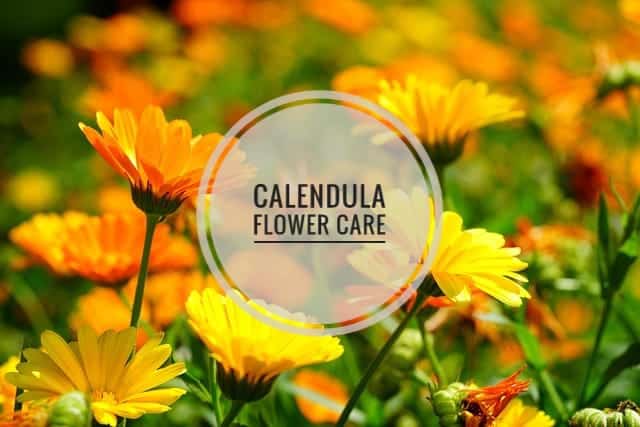
Last winter, I remember walking past a neighbor’s garden and stopping right in my tracks. The flowerbeds were bursting with orange and yellow blooms, glowing like tiny suns under the soft winter light. That was my first real introduction to calendula flower season in India, and since then I’ve never skipped planting them in my own garden.
“Calendula brings warmth to winter gardens and happiness to every corner it blooms in.”
Introduction
Calendula, also known as pot marigold, is one of the most cheerful winter flowers you can grow in India. Its radiant colors and easy care make it perfect for home gardens, balconies, and borders.
This flower doesn’t just add beauty; it’s also known for its medicinal and cosmetic value, making it a must-have for gardeners who love plants with purpose.
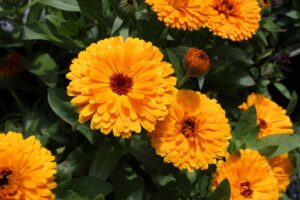
Here’s a quick overview of the calendula flower to help you understand it better:
| Feature | Details |
|---|---|
| Common Name | Calendula, Pot Marigold |
| Botanical Name | Calendula officinalis |
| Family | Asteraceae |
| Origin | Southern Europe |
| Type | Annual flowering plant |
| Blooming Season | Winter (November to March) |
| Flower Colors | Orange, Yellow, Cream |
| Sunlight | Full Sun |
| Watering | Moderate |
| Common Uses | Ornamental, Medicinal, Skincare |
History and Origin
Calendula has a fascinating past. Native to the Mediterranean region, it has been cultivated for centuries for both its beauty and healing power.
The name comes from the Latin word kalendae, meaning “little calendar,” because the flower was believed to bloom on the first day of every month.
In ancient times, people used calendula petals in food and medicine. Egyptians valued it for its rejuvenating properties, while Romans used it in rituals and ointments. In India, the flower arrived through trade routes and quickly became a winter garden favorite, often seen in temple garlands and festive decorations.
Ideal Growing Conditions
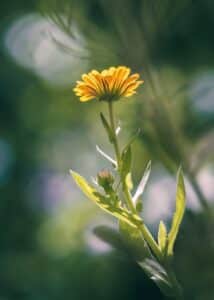
Calendula loves cool, pleasant weather. That’s why it thrives best during Indian winters. It grows well in temperatures between 15°C and 25°C and prefers full sunlight for healthy blooms.
The soil should be well-drained and rich in organic matter. Mix garden soil with compost or cow dung before planting.
Water lightly but regularly to keep the soil moist without becoming soggy. Too much water can lead to root rot.
If you live in the plains, start growing calendula as soon as winter sets in. In hilly regions, wait for the temperature to cool down properly before sowing.
When to Plant Calendula Seeds or Buy Saplings
Calendula is one of those flowers that rewards perfect timing. Since it thrives in cool weather, the right planting window matters if you want long, colorful blooms.
If you’re starting from seeds, sow them between October and December in most parts of India. Northern gardeners can start a bit early in October, while those in southern or coastal regions can wait until late November or early December. The soil should feel cool to touch but not cold.
For an easier start, you can buy saplings from nurseries in November or December when winter stock arrives. Choose compact, healthy plants with bright green leaves and no signs of wilting.
Transplant them into pots or garden beds on sunny mornings and water lightly afterward. Calendula establishes quickly, and within a month or so you’ll see cheerful orange and yellow blooms brightening your garden.
Popular Varieties/Species
There are several types of calendula, each known for its charm and use. Here are some popular ones:
1. Calendula officinalis ‘Orange King’
- Native Place: Mediterranean region
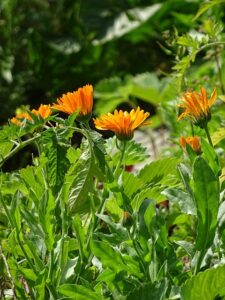
- Flower: Large bright orange blooms
- Ideal Climate: Cool, sunny winter season
2. Calendula officinalis ‘Lemon Queen’
- Native Place: Southern Europe
- Flower: Pale yellow petals with soft fragrance
- Ideal Climate: Mild winters and well-drained soil
3. Calendula officinalis ‘Pacific Beauty Mix’
- Native Place: Europe
- Flower: Mix of orange, cream, and golden hues
- Ideal Climate: Moderate winter temperature with full sun
“I still remember my first attempt at growing calendula. I planted the seeds in early November, unsure if they’d even sprout. Within ten days, I saw the first green shoots. By December, bright orange flowers covered my small garden patch. Every morning, I’d step out with my tea and watch them open as the sun rose. That small daily joy made me realize why gardeners love calendula so much.”
Tree Care and Maintenance
Calendula doesn’t demand much, but a bit of care ensures continuous blooms.
Pruning: Regularly pinch off dead flowers to encourage new buds. Trim leggy growth to maintain a bushy shape.
Watering: Keep the soil moist but not soggy. Water twice a week in cool weather and more often if the soil dries fast.
Fertilizing: Use organic compost or vermicompost every 15 days. Avoid nitrogen-heavy fertilizers that produce more leaves and fewer flowers.
Mulching: Apply a thin layer of straw or dry leaves around the base to retain moisture and prevent weeds.
Propagation: Calendula grows easily from seeds. Collect seeds from mature flowers and dry them for the next season.
Common Problems and Solutions
Even though calendula is hardy, some issues can affect its growth.
Aphids and Whiteflies: These small pests suck sap from leaves. Spray neem oil mixed with mild soap solution every week as a preventive measure.
Powdery Mildew: Appears as white powder on leaves, usually due to humidity or poor air circulation. Water at the base and avoid wetting leaves.
Root Rot: Caused by overwatering or poor drainage. Always grow calendula in well-drained soil and ensure pots have holes.
Yellowing Leaves: Often a sign of nutrient deficiency. Add compost or liquid seaweed fertilizer to boost plant health.
Economic and Environmental Importance
Calendula has value far beyond the garden. Farmers grow it commercially for its medicinal extracts and essential oils, which are used in skincare creams, soaps, and herbal medicines.
Its petals are rich in antioxidants and have anti-inflammatory properties, making calendula a popular ingredient in natural healing products.
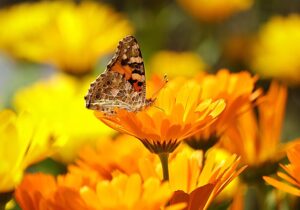
Economically, it provides good returns for small-scale farmers during the winter season, especially in northern and central India. Environmentally, calendula supports pollinators like bees and butterflies, adding biodiversity to gardens and farms.
It also helps improve soil health through its organic matter when decomposed after flowering.
Interesting Facts
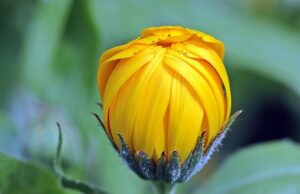
- Calendula petals are edible and often used in salads, soups, and herbal teas.
- It’s sometimes called the “poor man’s saffron” because of its color and mild flavor.
- Calendula oil is known to soothe skin irritation and promote healing.
- The flowers close at night and reopen in the morning, following sunlight.
- In medieval Europe, calendula was considered a symbol of hope and protection.
FAQs
1. When is the best time to plant calendula in India?
The ideal time is between October and December. In northern regions, start early to catch the full winter bloom. In warmer areas, plant a bit later. This helps the plant enjoy cooler months and produce bright flowers for longer.
2. How long does it take for calendula to flower after planting?
Calendula usually blooms about 6 to 8 weeks after sowing. If you plant in October, expect flowers by late November or early December. Continuous deadheading can extend the blooming period until March.
3. Can calendula grow in pots or containers?
Yes, calendula grows beautifully in pots. Use containers with drainage holes and rich potting mix. Place them where they receive at least 5–6 hours of sunlight daily. Keep soil slightly moist for steady blooms.
4. Does calendula need fertilizers?
Calendula grows well with organic compost or homemade manure. Heavy chemical fertilizers aren’t necessary. A monthly feeding of compost tea or vermicompost keeps the plant healthy and blooming.
5. How can I collect calendula seeds for next season?
Let some flowers dry naturally on the plant. Once petals fall off, you’ll see curved, dry seeds. Collect and store them in a cool, dry place until next season. They stay viable for up to two years.
Conclusion
Calendula is more than a flower—it’s a symbol of warmth and cheer during the cool Indian winter. Its simplicity, vibrant color, and healing nature make it perfect for any home garden. Whether you grow it in pots or flower beds, it will reward you with endless beauty and benefits.
Thanks for reading. Keep growing, keep exploring, and don’t forget to return here at gardeningbud.com for more plants, tips and gardening ideas.