chrysanthemum flower has always been part of our gardening memories. We still remember buying a small pot from a roadside nursery and being surprised by how long the blooms lasted.
INTRODUCTION
That first pot of chrysanthemum flower sat quietly on our balcony and bloomed when most plants slowed down. That moment pulled us deeper into gardening. Chrysanthemum flower is loved for its bright colors long blooming period and easy care. It suits beginners yet keeps experienced gardeners interested year after year.
Chrysanthemum flower belongs to the daisy family and is widely grown in home gardens parks balconies and farms. It blooms mainly in cooler months and fills gardens with color when many plants rest.

Below is a quick overview to understand chrysanthemum flower better.
| FEATURE | DETAILS |
|---|---|
| Common Name | Chrysanthemum |
| Botanical Name | Chrysanthemum morifolium |
| Plant Type | Flowering perennial |
| Bloom Season | Autumn to winter |
| Flower Colors | White yellow pink red purple |
| Growth Habit | Bushy compact |
| Height | 30 to 90 cm |
| Sun Requirement | Full sun to partial shade |
| Water Need | Moderate |
| Popular Use | Garden pots garlands decor |
“Flowers always make people better happier and more helpful. They are sunshine food and medicine for the soul.”
HISTORY AND ORIGIN
Chrysanthemum flower has a rich history that connects gardening culture medicine and symbolism. Its journey spans continents and centuries.
BACKGROUND AND CULTURAL SIGNIFICANCE
Chrysanthemum flower originated in China over 2500 years ago. It was first grown as a medicinal herb before becoming an ornamental plant. In China it symbolizes longevity nobility and joy.
From China it traveled to Japan where it gained royal status. The chrysanthemum flower is still the symbol of the Japanese emperor and appears on passports and official seals.
In Europe chrysanthemum flower arrived in the 17th century and quickly became popular. In some cultures it represents honor and respect while in others it is linked with remembrance.
ETYMOLOGY
The name chrysanthemum comes from Greek words. “Chrysos” means gold and “anthemon” means flower. Early varieties were mainly golden yellow which inspired the name.
IDEAL GROWING CONDITIONS
Chrysanthemum flower grows well when its basic needs are met. Let us break this down simply.
SOIL
Chrysanthemum flower prefers well drained fertile soil. Soil rich in organic matter supports healthy roots and better flowering. Slightly acidic to neutral soil works best.
WATER
Regular watering keeps the plant healthy. Soil should remain moist but never soggy. Overwatering can cause root rot and weak growth.
SUNLIGHT
Chrysanthemum flower needs at least five to six hours of sunlight daily. Morning sun with light afternoon shade is ideal in warmer regions.
TEMPERATURE
Chrysanthemum flower thrives in cool temperatures. Ideal growth happens between 15 to 25 Celsius. Excessive heat can reduce flowering.
REGION SUITABILITY
Chrysanthemum flower grows well across India especially in north and central regions during winter. In mild climates it performs well with seasonal care.
WHEN TO PLANT SEEDS OR BUY SAPLINGS
Timing plays a major role in chrysanthemum flower success.
Seeds are usually sown during late summer or early monsoon so plants mature before winter. This gives enough time for strong vegetative growth.
Most home gardeners prefer buying saplings. Healthy rooted cuttings planted in August or September give excellent blooms from October onward.
If you garden in pots ensure planting is done before temperatures drop sharply.
POPULAR VARIETIES OR SPECIES
Here are some popular chrysanthemum flower types loved by gardeners.
STANDARD CHRYSANTHEMUM
This variety produces one large bloom per stem and is commonly used for cut flowers and exhibitions.
- Native place: China
- Flower name: Standard chrysanthemum
- Ideal climate: Cool temperate
SPRAY CHRYSANTHEMUM
Spray types produce multiple small blooms on each stem and look full and bushy in gardens.
- Native place: China
- Flower name: Spray chrysanthemum
- Ideal climate: Mild cool
POMPON CHRYSANTHEMUM
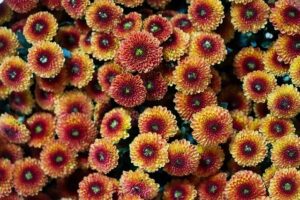
Pompon chrysanthemums have round ball shaped blooms and are perfect for decorative pots.
- Native place: Japan
- Flower name: Pompon mum
- Ideal climate: Cool
ANEMONE CHRYSANTHEMUM
These have raised cushion like centers with flat outer petals adding texture to flower beds.
- Native place: China
- Flower name: Anemone mum
- Ideal climate: Moderate cool
SPOON CHRYSANTHEMUM
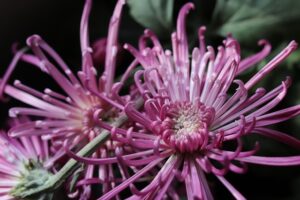
Spoon shaped petals give this variety a unique appearance and visual interest.
- Native place: Asia
- Flower name: Spoon mum
- Ideal climate: Mild cool
CARE AND MAINTENANCE
Though chrysanthemum flower is not a tree regular care keeps it healthy and blooming.
PRUNING
Pinching young shoots encourages bushy growth. Remove faded flowers to support new buds and neat appearance.
WATERING SCHEDULE
Water plants deeply two to three times a week depending on weather. Reduce watering during cold and rainy days.
FERTILIZING
Use a balanced fertilizer every two weeks during growth. Switch to low nitrogen fertilizer once buds appear.
MULCHING
Mulching helps retain moisture and keeps roots cool. Organic mulch also improves soil quality over time.
PROPAGATION
Chrysanthemum flower is easily propagated through stem cuttings. Healthy cuttings root quickly in moist soil.
COMMON PROBLEMS AND SOLUTIONS
Like all plants chrysanthemum flower can face issues.
PESTS
Aphids spider mites and leaf miners are common pests. Neem oil spray helps control them naturally.
DISEASES
Fungal diseases like powdery mildew can occur in humid conditions. Proper air circulation and avoiding overhead watering reduce risk.
PREVENTIVE MEASURES
Healthy soil balanced watering and regular inspection prevent most problems. Removing infected leaves early protects the plant.
ECONOMIC AND ENVIRONMENTAL IMPORTANCE
Chrysanthemum flower holds strong economic value in floriculture. It is widely grown for cut flowers garlands and decorative use. Farmers benefit from its high market demand during festivals and weddings.
Environmentally chrysanthemum flower supports pollinators like bees. Green spaces filled with flowering plants improve air quality and contribute to carbon balance by absorbing carbon dioxide.
INTERESTING FACTS
- Chrysanthemum flower can bloom for several weeks with proper care.
- Some varieties are used in herbal teas in East Asia.
- Chrysanthemum flower is one of the oldest cultivated flowers.
- In Japan a festival celebrates this flower every year.
- Chrysanthemum flower is naturally insect repellent in some forms.
FAQS
HOW LONG DOES A CHRYSANTHEMUM FLOWER PLANT LIVE?
Chrysanthemum flower is a perennial plant and can live for several years with proper care. Regular pruning seasonal feeding and correct watering help the plant survive and bloom beautifully every year in suitable climates.
CAN CHRYSANTHEMUM FLOWER BE GROWN IN POTS?
Yes chrysanthemum flower grows very well in pots. Choose a pot with good drainage use fertile soil and place it where it gets enough sunlight. Potted plants are easier to move during extreme weather.
WHY ARE MY CHRYSANTHEMUM FLOWER BUDS NOT OPENING?
Bud drop or unopened buds often happen due to heat stress irregular watering or lack of sunlight. Maintaining cool temperatures consistent moisture and proper light usually solves this issue.
HOW OFTEN SHOULD WE FERTILIZE CHRYSANTHEMUM FLOWER?
During active growth fertilize every two weeks with balanced fertilizer. Once buds form reduce feeding frequency. Overfertilizing can cause leafy growth with fewer flowers.
IS CHRYSANTHEMUM FLOWER SAFE FOR PETS?
Chrysanthemum flower is mildly toxic to pets like cats and dogs. It can cause digestive discomfort if ingested. Keeping plants out of reach is a safer option for pet owners.
CONCLUSION
Chrysanthemum flower brings color structure and joy to gardens when it is needed most. With simple care it rewards us with long lasting blooms and seasonal beauty. Whether in pots or garden beds this plant fits easily into home gardening plans. We encourage you to try growing it and enjoy the calm satisfaction it brings.
Thanks for reading. Keep growing keep exploring and don’t forget to return here at gardeningbud.com for more plants tips and gardening wisdom.