The first time we walked into a winter nursery we saw rows of green chrysanthemum plants with no flowers at all. Every pot looked similar and there was no clue about what colour or shape would bloom later.
That is when we realised how confusing chrysanthemum types can be for gardeners. Chrysanthemums may look simple but they come in many forms and knowing the type helps us choose the right plant with confidence.
Chrysanthemums are loved for their winter blooms long flowering period and wide colour range. They grow well in pots and ground and suit both small balconies and large gardens.
WHY CHRYSANTHEMUMS ARE SO POPULAR
Chrysanthemums are flowering plants that bloom mainly in cooler months. In Indian gardens they are strongly associated with winter festivals decoration and home gardens. They are hardy respond well to pruning and reward us with multiple blooms.
Another reason for their popularity is flexibility. The same flower can be grown in pots borders or as cut flowers. With basic care chrysanthemums perform beautifully even for beginners.

HOW CHRYSANTHEMUM TYPES ARE CLASSIFIED
Chrysanthemum types are grouped based on visible features rather than colour. This makes identification easier even before flowering.
Classification is mainly based on
• Flower shape
• Petal arrangement
• Bloom size
• Plant growth habit
Some types stay compact and bushy while others grow tall with large blooms. Understanding this helps us match the plant with our available space.
MAJOR TYPES OF CHRYSANTHEMUM
SINGLE BLOOM CHRYSANTHEMUM
Single bloom chrysanthemums have a simple daisy like appearance with one layer of petals and a visible central disc. They look natural cheerful and are easy to grow. These plants branch well and produce several flowers over time.
Special features
• Visible yellow or dark central disc
• Attracts bees and beneficial insects
• Low maintenance and beginner friendly
POMPON CHRYSANTHEMUM
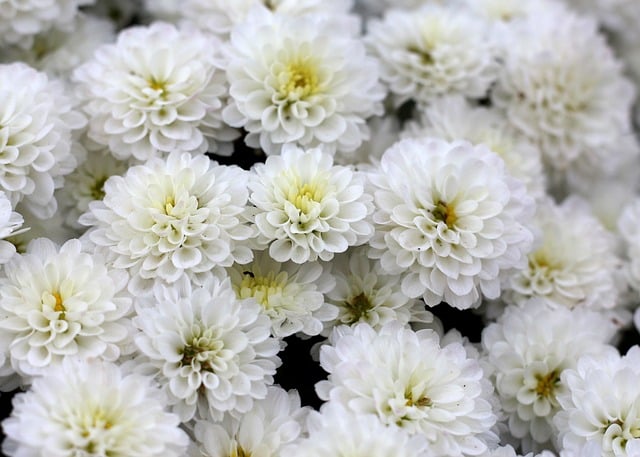
Pompon chrysanthemums produce small round ball shaped flowers with tightly packed petals. The blooms look neat uniform and decorative. Plants remain compact and bushy making them ideal for small spaces.
Special features
• Dense globe shaped flowers
• Compact growth suitable for pots
• Produces many blooms together
DECORATIVE CHRYSANTHEMUM
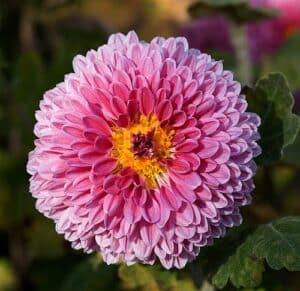
Decorative chrysanthemums are known for their large full flowers with layered petals that hide the centre. These plants grow taller and often need support during flowering. They are commonly used for exhibitions and cut flower arrangements.
Special features
• Large showy blooms
• Strong upright stems
• Ideal for ground planting and displays
SPIDER CHRYSANTHEMUM
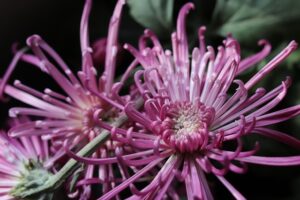
Spider chrysanthemums have long thin petals that spread outward like spider legs. The petals may curl twist or droop giving a dramatic appearance. These plants need space and light support as flowers develop.
Special features
• Long narrow dramatic petals
• Unique eye catching appearance
• Needs staking during bloom time
SPOON CHRYSANTHEMUM
Spoon chrysanthemums have petals that are narrow at the base and widen at the tip like a spoon. The flowers look playful and balanced without being too wild. Plants grow medium tall and flower evenly.
Special features
• Spoon shaped petal tips
• Balanced flower structure
• Suitable for pots and beds
ANEMONE CHRYSANTHEMUM
Anemone chrysanthemums have a raised cushion like centre surrounded by flat outer petals. The centre often appears in a contrasting colour which adds depth to the flower. Plants are compact and neat.
Special features
• Raised dome shaped centre
• Strong contrast in flower design
• Compact plant suitable for pots
QUILLED CHRYSANTHEMUM
Quilled chrysanthemums have narrow tube shaped petals that create a spiky structured look. The petals may be straight or slightly curved. These plants prefer good sunlight for proper bloom development.
Special features
• Tube shaped pointed petals
• Textured spiky appearance
• Performs best in full sun
CHRYSANTHEMUM TYPES AT A GLANCE
| Type | Growth Habit | Best Use |
|---|---|---|
| Single Bloom | Medium tall bushy | Beds medium pots |
| Pompon | Compact dense | Balcony pots borders |
| Decorative | Tall upright | Ground cut flowers |
| Spider | Loose spreading | Display plants |
| Spoon | Medium balanced | Mixed beds pots |
| Anemone | Compact neat | Decorative pots |
| Quilled | Medium structured | Accent planting |
COMMON CHRYSANTHEMUM COLOURS
| Colour | Notes |
|---|---|
| White | Classic and widely grown |
| Yellow | Most common colour |
| Pink | Popular for decoration |
| Red | Bold exhibition colour |
| Orange | Bright and cheerful |
| Purple / Lavender | Less common and attractive |
| Bronze / Copper | Traditional hardy shades |
Note: Colour depends on variety. Leaf shape helps identify the type not the final flower colour.
HOW TO RECOGNISE CHRYSANTHEMUM BY ITS LEAVES
When chrysanthemums are sold without flowers leaves become our best guide. While colour cannot be predicted the type can often be recognised.
Deep narrow lobed leaves usually belong to spider quilled or spoon types. Broad rounded lobes often indicate decorative or pompon chrysanthemums. Shallow lobes are common in single bloom types.
Compact plants with many small leaves usually produce bushy growth and multiple small flowers. Plants with larger spaced leaves often develop fewer but bigger blooms.
Thin soft leaves are typical of single and spray types. Slightly thick leathery leaves support large decorative flowers. Grey green leaves usually belong to hardy traditional varieties.
Leaves help identify type but flower colour appears only after blooming.
HOW TO CHOOSE THE RIGHT CHRYSANTHEMUM TYPE FOR YOUR GARDEN
For balconies and terraces pompon anemone and single bloom types are the best choice. They stay compact and flower heavily. Ground gardens can support decorative spider and quilled types which need more space.
Chrysanthemums prefer full sun and grow best between 18 to 25°C. Use well draining soil and avoid waterlogging. Larger flower types need bigger pots and light staking.
COMMON MISTAKES PEOPLE MAKE WHILE BUYING CHRYSANTHEMUMS
Many gardeners expect instant flowers which leads to disappointment. Chrysanthemums need time to bud. Another mistake is confusing colour variety with flower type. Ignoring mature plant size also causes overcrowding problems later.
FREQUENTLY ASKED QUESTIONS
Can we identify chrysanthemum flower colour from leaves
No leaves cannot show the final flower colour. They only help us understand the type and growth habit. Colour depends on the specific variety and appears only during flowering.
Which chrysanthemum type is best for pots
Pompon anemone and single bloom chrysanthemums are best for pots. They remain compact branch well and produce multiple flowers without heavy support making them ideal for balconies.
Are all chrysanthemum types winter flowering
Yes most chrysanthemum types bloom in cooler months. In Indian conditions flowering usually starts in late autumn and continues through winter when temperatures stay between 18 to 25°C.
CONCLUSION
Chrysanthemums may seem confusing at first but once we understand different chrysanthemum types the process becomes simple.
Observing leaf shape growth habit and structure helps us choose plants confidently. Start with one or two types grow them well and slowly build your collection. Chrysanthemums reward care with beautiful winter blooms.