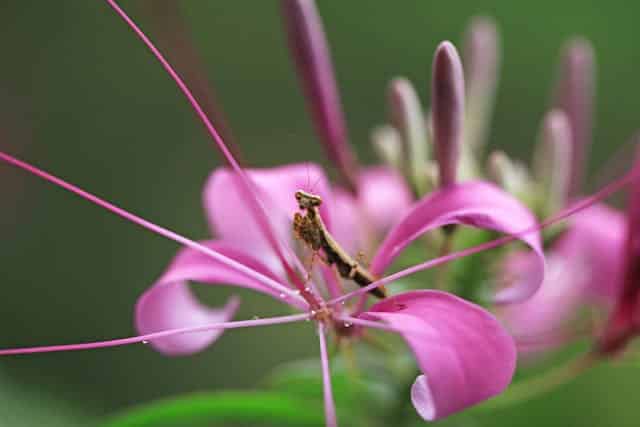
Cleome flower season in India always reminds us of the first time we noticed these tall airy blooms swaying in the mid-morning breeze. We were walking through a small nursery looking for marigolds but ended up staring at a patch of cleome plants that looked like a mix of fireworks and delicate lace.
That moment turned into a habit because every year we now check the cleome season before planning our garden layout.
Here is everything we have learned over the years about this beautiful flower.
“A garden feels more alive when cleome petals rise above the beds like soft pink clouds.”
Introduction
Cleome is a dramatic flowering plant known for its tall stems and elegant spider-like blooms. Many beginners mistake it for a wildflower but it is actually one of the most forgiving annuals for Indian climates. We love how easily it fills empty corners while adding height and texture to any garden.
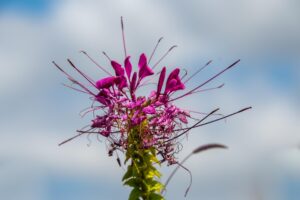
Below is a simple table to help you understand the basics of cleome.
| Feature | Details |
|---|---|
| Botanical name | Cleome hassleriana |
| Common names | Spider flower or Spider plant |
| Season in India | Early summer to late monsoon |
| Growth type | Annual |
| Height range | 90 to 180 cm |
| Flower colours | Pink white purple |
| Bloom duration | 3 to 4 months |
| Ideal climate | Warm semi humid |
| Ideal placement | Full sun |
| Suitable for | Beds borders cottage gardens |
History and Origin
Cleome has a long journey that stretches across continents. It is believed to have originated in South America and later spread to tropical regions worldwide. Early traders and plant enthusiasts carried its seeds across seas because the flower adapted well to varied climates.
The plant eventually gained popularity in India because of its ability to handle heat with very little pampering. Traditional cottage gardens still use cleome to provide height near fences or boundary walls.
Its light fragrance and airy structure also attracted early gardeners who loved ornamental plants that looked wild yet graceful.
Etymology
The name Cleome comes from an ancient Greek word that refers to a mustard-like smell produced when the leaves are crushed. Even though most people grow cleome for its flowers some gardeners enjoy its mild scent which adds to the natural feel of a garden.

Ideal Growing Conditions
Growing cleome is simple if you follow a few basic requirements.
Soil
We prefer well drained soil with medium fertility. Avoid heavy clay because roots struggle to breathe. Add compost for better flowering.
Water
Cleome does not enjoy constant moisture. Water only when the topsoil feels dry. Young plants need slightly more care but mature ones handle short dry spells well.
Sunlight
Full sun leads to the best blooms. Plants kept in partial shade grow tall and weak. We place them where they receive at least six hours of sunlight.
Temperature
Warm weather supports healthy growth. Cleome grows well between 18 to 32°C. It tolerates high summer heat but dislikes frost.
Region suitability
You can grow cleome in most Indian states because it adjusts well. It performs best in northern plains central India and coastal belts where the growing season is warm and long.
When to Plant Seeds or Buy Saplings
In India it is best to sow cleome seeds in early spring when temperatures begin to warm. This ensures plants mature before the heavy monsoon rains.
If you prefer buying saplings choose sturdy ones with strong stems and fresh leaves. Avoid leggy or weak plants. Saplings can be planted from March to June depending on local weather.
Popular Varieties or Species
These are some beautiful cleome types you can grow.
- Cleome hassleriana
• Native place: South America
• Flower name: Spider flower
• Ideal climate: Warm sunny regions - Cleome gynandra
• Native place: Africa
• Flower name: African spider flower
• Ideal climate: Hot dry regions - Cleome lutea
• Native place: North America
• Flower name: Yellow spider flower
• Ideal climate: Warm temperate regions - Cleome spinosa
• Native place: South America
• Flower name: Spiny spider flower
• Ideal climate: Tropical regions - Cleome viscosa
• Native place: India and Southeast Asia
• Flower name: Asian spider plant
• Ideal climate: Hot humid regions
Care and Maintenance
Good care leads to long lasting blooms.
Pruning
Cleome grows tall so we pinch the tips of young plants to encourage branching. Remove faded flowers to keep plants clean.
Watering schedule
Deep watering once in three to four days works well in summer. Reduce watering during monsoon unless your soil drains fast.
Fertilizing
Use a balanced organic fertilizer or compost at planting time. Cleome does not need heavy feeding. Too much fertilizer reduces flowering.
Mulching
A thin layer of dry leaves or cocopeat helps maintain moisture and prevents weeds. It also keeps the soil temperature stable.
Propagation
Seeds are the easiest method. Cleome regularly self seeds so you may find new plants around the old ones the next season.
Common Problems and Solutions
Even though cleome is hardy some issues appear occasionally.
Pests
Aphids and whiteflies prefer tender leaves. Use neem spray every week to keep them under control. Good airflow prevents pest buildup.
Diseases
Powdery mildew appears in humid weather. Space your plants well to reduce moisture around leaves. Avoid overhead watering.
Preventive measures
Remove weeds from the bed. Maintain sunlight exposure. Keep the soil lightly moist but never soggy.
Economic and Environmental Importance
Cleome earns a good spot in small scale flower farming because it produces long blooming stems ideal for cut flower arrangements. Market value depends on colour and freshness but farmers appreciate it for low input costs.
Environmentally cleome supports bees and butterflies. Its tall structure provides shelter for small insects and helps balance micro habitats. The plant also contributes to carbon capture though on a small scale compared to shrubs and trees.
Interesting Facts
- Cleome flowers resemble a spider shape which is why the plant is called spider flower.
- The plant is drought tolerant and grows well in neglected corners.
- Cleome leaves were once used in traditional herbal preparations in some regions.
- It self seeds easily so you may find new plants next year without any effort.
- Cleome is often used as a natural border to attract pollinators in vegetable gardens.
FAQs
- How long does cleome take to grow from seed in Indian conditions
Cleome seeds germinate in about one to two weeks depending on temperature. Plants grow quickly once they get full sunlight and warm weather. Expect flowering within eight to ten weeks after germination. Regular watering during the early stage helps plants settle well and produce stronger stems for the season ahead. - Is cleome safe to grow around pets and children
Cleome is generally safe but the stems have small spines that may irritate sensitive skin if touched roughly. It is not considered highly toxic but it is better to keep pets and children from chewing any part of the plant. We advise placing it in borders where it stays accessible visually but not easily reachable. - Why does my cleome grow too tall and fall over
Cleome often becomes leggy when it lacks strong sunlight or receives too much fertilizer. Tall weak stems bend during strong wind or rain. Planting in full sun and reducing nitrogen based fertilizers helps maintain balance. Mulching and light staking also support plants during heavy monsoon showers. - How do I keep cleome blooming for a longer period
Deadheading plays a key role in extending blooming. Removing spent flowers encourages new buds. Consistent sunlight and moderate watering help plants stay active. A light feeding of compost mid season also improves flower production. Avoid overcrowding because dense growth lowers ventilation and reduces bloom quality. - Can I grow cleome in pots on my balcony
Yes you can but choose a deep pot because cleome grows tall and needs support. Use well drained soil mixed with compost. Place the pot in full sun for best results. Water when the topsoil feels dry and prune the top if plants grow too tall. Balcony grown cleome performs well if wind exposure is moderate.
Cleome is one of the easiest flowers to grow if you want height colour and movement in your garden. It rewards you with long lasting blooms and supports pollinators that help your garden stay healthy. We enjoy its effortless charm every season and encourage you to try at least one variety this year.