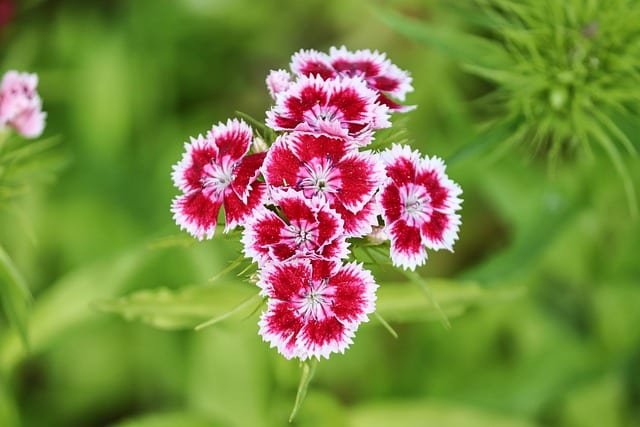
Dianthus flower season in India has been one of my favorite discoveries as a winter gardener. I still remember walking past a small nursery on a cold December morning and noticing pots filled with pink white red blooms that looked almost hand painted.
Their sweet clove-like fragrance drifted toward me as the sun warmed the air. That moment made me stop buy a few plants then later add dianthus to my own winter flower list so others could enjoy these cheerful cool season blooms too.
“Dianthus shines in winter gardens with colors that stay bright even when the air feels cold.”
Introduction
Dianthus is one of the most reliable winter flowers in India. We love how it fills borders window boxes pots and garden beds with continuous color. It grows easily looks elegant and keeps blooming for months with very little effort.
Before we explore the full guide let us look at a quick table to understand the basics.
| Feature | Details |
|---|---|
| Common Name | Dianthus or Sweet William |
| Botanical Name | Dianthus barbatus and related species |
| Family | Caryophyllaceae |
| Origin | Southern Europe and Asia |
| Type | Annual or short lived perennial |
| Blooming Season | Winter in India (November to March) |
| Flower Colors | Pink red white purple bi colors |
| Sunlight | Full sun |
| Watering | Moderate |
| Uses | Borders pots cut flowers |
History and Origin
Dianthus has a long and colorful history. The name comes from two Greek words dios meaning divine and anthos meaning flower. Ancient Greeks considered it a sacred bloom linked to gods celebrations and even victory wreaths.
The plant travelled across Europe then Asia and eventually reached India where it quickly fit into winter gardens because of its love for cool weather.
Over time gardeners developed many hybrids that offer unique colors petal shapes and scents. Dianthus also became popular in cottage gardens across Europe before gaining wide use in Indian home gardens.
Ideal Growing Conditions
Dianthus thrives in cool bright and pleasant conditions. It performs best in Indian winters when the temperature stays between 10°C and 25°C.
The soil should be well drained with a light texture. Sandy loam enriched with compost works great. Heavy soil can lead to root rot so we always add a bit of sand when growing dianthus in the ground.
Place the plant where it receives full sun for at least five hours each day. Without good sunlight the flowers stay small and the plant grows slowly.
Watering should be light and regular. Dianthus hates soggy soil so we let the top layer dry slightly before watering again. In hilly regions the plant does best under gentle winter sunlight and cool nights.
When to Plant Dianthus Seeds or Buy Saplings
Dianthus grows beautifully when planted at the right time. Because it is a winter bloomer we aim to start early so the plant settles well before peak flowering.
If you plan to use seeds start sowing between September and November. In northern India we prefer sowing in September or early October. In southern regions October to November works well since winters arrive slightly later.
If you prefer buying saplings visit nurseries in November or December. This is when fresh winter stock arrives with healthy young plants ready to grow. Choose compact saplings with fresh green leaves and no signs of yellowing.
After planting water lightly and keep them in a sunny place. Dianthus settles quickly and starts blooming within a few weeks.
Popular Varieties or Species
Here are some popular dianthus varieties grown in India.
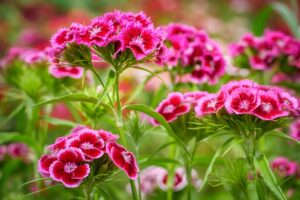
1. Dianthus barbatus (Sweet William)
- Native Place: Southern Europe
- Flower: Clusters of red pink or bi color blooms
- Ideal Climate: Cool bright winter conditions
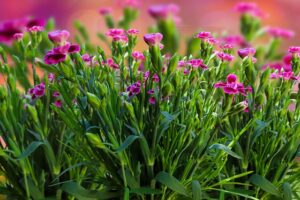
2. Dianthus chinensis (China Pink)
- Native Place: China
- Flower: Frilled petals in pink red or white
- Ideal Climate: Mild winters with full sun
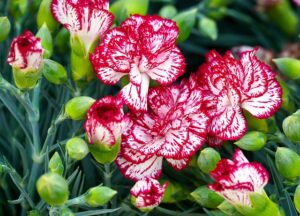
3. Dianthus caryophyllus (Carnation type)
- Native Place: Mediterranean region
- Flower: Large ruffled blooms used as cut flowers
- Ideal Climate: Cool dry climate with bright light
Tree Care and Maintenance
Caring for dianthus is simple once you understand its preferences.
Pruning: Regularly remove dried flowers to promote new buds. Pinch the top growth occasionally to keep the plant compact.
Watering: Water lightly two or three times a week. Let the soil surface dry slightly between rounds. Avoid overwatering.
Fertilizing: Feed the plant with compost or a mild organic fertilizer every 15 days. Too much nitrogen creates leaves instead of flowers.
Mulching: Use a thin layer of dry leaves or cocopeat around the base to retain moisture in pots. Keep the layer light so air can move freely.
Propagation: Dianthus grows easily from seeds or cuttings. Save seeds from dry flowers or use soft stem cuttings in early winter.
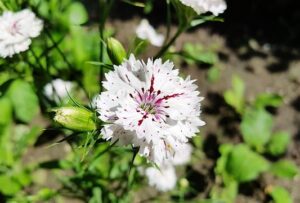
Common Problems and Solutions
Even though dianthus is hardy we sometimes face small issues.
Aphids: These tiny insects gather on tender shoots. Use neem oil spray once a week until the issue improves.
Fungal spots: Overwatering and poor air movement cause leaf spots. Water at the base and keep the soil dry on top.
Root rot: Heavy soil traps moisture. Always plant dianthus in well drained soil with good airflow.
Yellowing leaves: Usually caused by nutrient deficiency. Add compost or a mild liquid feed to revive the plant.
Economic and Environmental Importance
Dianthus plays a useful role in home gardening and commercial production. Florists love carnation type dianthus because the blooms last long in vases. This supports small flower growers especially during winter weddings festivals and events.
The petals of some varieties are mildly fragrant which adds value in floral arrangements. The plant also attracts pollinators like bees which improves biodiversity in urban gardens. Once the plant completes its cycle the organic matter returns nutrients to the soil improving fertility.

Interesting Facts
- Dianthus leaves and petals were once used in herbal teas and natural perfumes.
- The plant gets its spicy fragrance from essential oils stored in the petals.
- Some varieties can bloom again in early summer if kept in partial shade.
- Ancient Europeans believed dianthus protected homes from bad luck.
- The flower is often considered a symbol of affection gratitude and charm.
FAQs
1. When is the best time to plant dianthus in India?
The best time is between September and November. This allows the plant to grow well before the coldest months and bloom steadily from November to March. Planting during this window ensures strong roots bright flowers and a healthy plant that lasts the full winter season.
2. Can dianthus grow in pots on a balcony?
Yes dianthus grows wonderfully in pots. All it needs is bright sunlight well drained potting mix and light watering. Balcony gardeners love it because the flowers stay fresh for weeks and the plant does not need heavy fertilizing. It is one of the easiest winter pot plants for beginners.
3. How long does dianthus bloom in India?
Dianthus usually blooms for three to four months during Indian winters. If you prune spent flowers and give mild feeding it can continue until early spring. Some varieties may even give light blooms in summer if placed in partial shade which makes it a long lasting addition to the garden.
4. Does dianthus have fragrance?
Many dianthus varieties have a sweet clove like fragrance. The scent becomes stronger during cool mornings and evenings. Gardeners often plant dianthus near walkways so the gentle fragrance greets them every time they pass by. The fragrance also helps attract pollinators which supports plant health.
5. How often should we fertilize dianthus?
Use organic compost or mild liquid fertilizer every two weeks. Avoid heavy chemical feeds because they push leafy growth instead of flowers. A balanced slow release fertilizer works well too. When grown in pots light feeding keeps the plant blooming and prevents yellow leaves.
Conclusion
Dianthus is one of the most rewarding winter flowers to grow in India. Its soft fragrance bright shades and long blooming season make it perfect for beginners and experienced gardeners. With the right planting time good sunlight and light care you can enjoy cheerful clusters of blooms all winter long.
Thanks for reading. Keep growing keep exploring and don’t forget to return here at gardeningbud.com for more plants tips and gardening wisdom.