
I still remember the first time we tasted a freshly plucked dragon fruit from a home garden. We were expecting something complicated, yet the plant felt surprisingly easy to manage.
That moment pushed us to explore more unusual produce that grows in our climate. Many gardeners feel the same way when they search for exotic fruits of India and wonder which ones can thrive in their backyard.
We have noticed that exotic fruits excite beginners because they look different, taste fresh and often grow better than expected in Indian conditions. This list helps you pick the right plants without feeling overwhelmed.
INTRODUCTION
India has a climate that supports a wide range of rare edible plants. Some come from tropical regions while others adapt well to warm subtropical areas. We created this guide to simplify the choices for home growers who want something unique yet practical.
Each fruit includes a short description and a small table with essential details so you can make quick decisions.
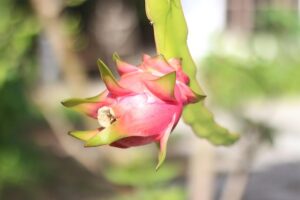
1.DRAGON FRUIT
Dragon fruit grows on a climbing cactus and needs bright sunlight. It handles heat well and fruits almost all year in warm zones.
TABLE
| Detail | Info |
|---|---|
| Scientific Name | Hylocereus undatus |
| Ideal Climate | Warm tropical |
| Sunlight | Full sun |
| Soil Type | Well drained sandy soil |
| Special Feature | Night blooming plant |
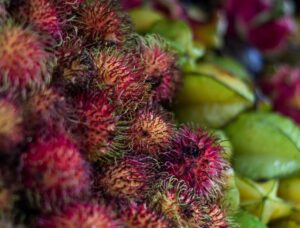
2.RAMBUTAN
Rambutan produces hairy red fruits with a sweet juicy interior. It prefers high humidity and steady warmth for good growth.
TABLE
| Detail | Info |
|---|---|
| Scientific Name | Nephelium lappaceum |
| Ideal Climate | Humid tropical |
| Sunlight | Full sun |
| Soil Type | Fertile loam |
| Special Feature | Heavy fruit clusters |
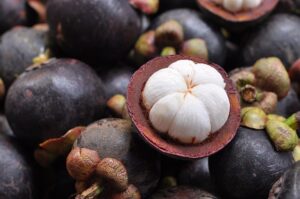
3.MANGOSTEEN
Mangosteen is known for its rich purple rind and soft white segments. It grows best in deep shade during early years.
TABLE
| Detail | Info |
|---|---|
| Scientific Name | Garcinia mangostana |
| Ideal Climate | Hot humid |
| Sunlight | Partial shade |
| Soil Type | Moist loam |
| Special Feature | Slow growing tree |
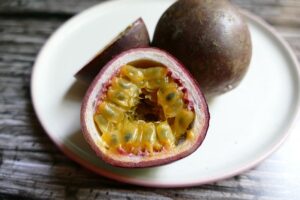
4.PASSION FRUIT
Passion fruit vines produce aromatic yellow or purple fruits. They climb quickly and love consistent warmth.
TABLE
| Detail | Info |
|---|---|
| Scientific Name | Passiflora edulis |
| Ideal Climate | Warm tropical |
| Sunlight | Full sun |
| Soil Type | Rich loam |
| Special Feature | Fast growing vine |
5. LANGSAT
Langsat fruits look simple but taste mildly sweet. The tree needs warm rainfed conditions for stable harvests.
TABLE
| Detail | Info |
|---|---|
| Scientific Name | Lansium domesticum |
| Ideal Climate | Humid tropical |
| Sunlight | Partial sun |
| Soil Type | Moist fertile soil |
| Special Feature | Thin delicate skin |
6. LONGAN
Longan is related to lychee and offers a subtle musky taste. The tree stays compact and suits medium gardens.
TABLE
| Detail | Info |
|---|---|
| Scientific Name | Dimocarpus longan |
| Ideal Climate | Warm subtropical |
| Sunlight | Full sun |
| Soil Type | Well drained soil |
| Special Feature | Round translucent pulp |
7. PERSIMMON
Persimmon trees adapt well to Indian hills. The orange fruits ripen slowly and develop a soft pudding like texture.
TABLE
| Detail | Info |
|---|---|
| Scientific Name | Diospyros kaki |
| Ideal Climate | Mild temperate |
| Sunlight | Full sun |
| Soil Type | Loamy soil |
| Special Feature | Autumn colour foliage |
8. AVOCADO
Avocado trees produce rich buttery fruits that suit many home gardens. They grow fast in warm frost free climates.
TABLE
| Detail | Info |
|---|---|
| Scientific Name | Persea americana |
| Ideal Climate | Warm humid |
| Sunlight | Full sun |
| Soil Type | Well drained soil |
| Special Feature | High nutrient fruit |
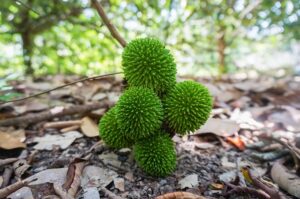
9. DURIAN
Durian is famous for its intense aroma. The tree needs deep soil and steady monsoon moisture to thrive.
TABLE
| Detail | Info |
|---|---|
| Scientific Name | Durio zibethinus |
| Ideal Climate | Humid tropical |
| Sunlight | Full sun |
| Soil Type | Deep fertile soil |
| Special Feature | Large spiky fruits |
10. STAR APPLE
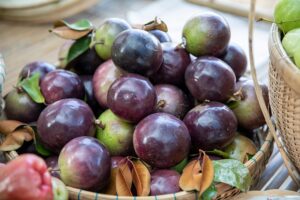
Star apple forms a violet or green outer skin with a jelly like center. The tree handles Indian summers well.
TABLE
| Detail | Info |
|---|---|
| Scientific Name | Chrysophyllum cainito |
| Ideal Climate | Warm tropical |
| Sunlight | Full sun |
| Soil Type | Loamy soil |
| Special Feature | Star shaped pulp pattern |
11. KIWANO
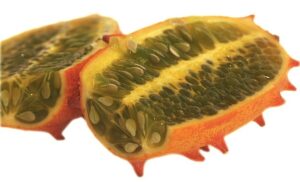
Kiwano looks spiky and bright orange. It grows like a cucumber vine and fruits fast in warm weather.
TABLE
| Detail | Info |
|---|---|
| Scientific Name | Cucumis metuliferus |
| Ideal Climate | Hot dry |
| Sunlight | Full sun |
| Soil Type | Sandy soil |
| Special Feature | Lime flavoured pulp |
12. SANTOL
Santol fruits have a fuzzy skin with sweet sour pulp. The tree grows tall so it suits large open spaces.
TABLE
| Detail | Info |
|---|---|
| Scientific Name | Sandoricum koetjape |
| Ideal Climate | Humid tropical |
| Sunlight | Full sun |
| Soil Type | Rich loam |
| Special Feature | Aromatic juice |
13. ICE APPLE
Ice apple is soft and hydrating. It comes from the palmyra palm which grows well in hot coastal regions.
TABLE
| Detail | Info |
|---|---|
| Scientific Name | Borassus flabellifer |
| Ideal Climate | Hot coastal |
| Sunlight | Full sun |
| Soil Type | Sandy soil |
| Special Feature | Jelly like fruit pods |
14. BUDDHA’S HAND
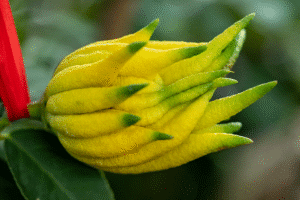
This fruit has finger shaped segments with strong fragrance. The plant prefers cool dry winters and warm summers.
TABLE
| Detail | Info |
|---|---|
| Scientific Name | Citrus medica var sarcodactylis |
| Ideal Climate | Subtropical |
| Sunlight | Full sun |
| Soil Type | Well drained soil |
| Special Feature | No inner pulp |
15. SALAK (SNAKE FRUIT)
Salak has a reddish brown scaly skin. The fruit is crisp and sweet with a unique aroma.
TABLE
| Detail | Info |
|---|---|
| Scientific Name | Salacca zalacca |
| Ideal Climate | Warm humid |
| Sunlight | Partial shade |
| Soil Type | Moist loam |
| Special Feature | Scaly outer coating |
16. ABIU
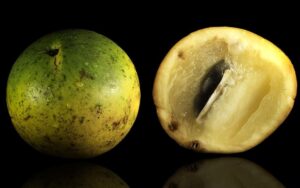
Abiu fruits hold a smooth yellow skin with creamy flesh. They grow quickly in warm southern climates.
TABLE
| Detail | Info |
|---|---|
| Scientific Name | Pouteria caimito |
| Ideal Climate | Tropical |
| Sunlight | Full sun |
| Soil Type | Fertile soil |
| Special Feature | Caramel like flavor |
17. JABOTICABA
Jaboticaba fruits grow directly on the trunk which looks striking. The berries taste sweet and grape like.
TABLE
| Detail | Info |
|---|---|
| Scientific Name | Plinia cauliflora |
| Ideal Climate | Warm humid |
| Sunlight | Full sun |
| Soil Type | Moist loam |
| Special Feature | Cauliflorous fruiting |
18. BILIMBI
Bilimbi produces sour cucumber shaped fruits. It suits pickles and grows heavily in warm coastal zones.
TABLE
| Detail | Info |
|---|---|
| Scientific Name | Averrhoa bilimbi |
| Ideal Climate | Coastal tropical |
| Sunlight | Full sun |
| Soil Type | Sandy loam |
| Special Feature | Heavy clusters |
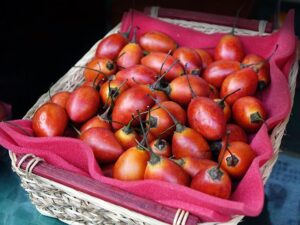
19. TAMARILLO
Tamarillo offers tangy red or yellow fruits on a small tree. It adapts well to hills with cool nights.
TABLE
| Detail | Info |
|---|---|
| Scientific Name | Solanum betaceum |
| Ideal Climate | Subtropical |
| Sunlight | Full sun |
| Soil Type | Rich loam |
| Special Feature | Egg shaped fruit |
20. JAMAICA CHERRY
Jamaica cherry fruits are tiny sweet berries that form all year. The tree grows fast and stays compact.
TABLE
| Detail | Info |
|---|---|
| Scientific Name | Muntingia calabura |
| Ideal Climate | Warm dry |
| Sunlight | Full sun |
| Soil Type | Sandy soil |
| Special Feature | Year round fruiting |
21. SAPOTE (BLACK SAPOTE)
Black sapote tastes like chocolate pudding when fully ripe. The tree grows easily in warm Indian regions.
TABLE
| Detail | Info |
|---|---|
| Scientific Name | Diospyros nigra |
| Ideal Climate | Tropical |
| Sunlight | Full sun |
| Soil Type | Loamy soil |
| Special Feature | Pudding like pulp |
22. PULASAN
Pulasan resembles rambutan but tastes sweeter. It grows best in heavy rainfall zones.
TABLE
| Detail | Info |
|---|---|
| Scientific Name | Nephelium mutabile |
| Ideal Climate | Humid tropical |
| Sunlight | Full sun |
| Soil Type | Deep fertile soil |
| Special Feature | Thick rind |
FAQ
1. Which exotic fruit grows best in Indian home gardens
Most beginners find dragon fruit easy because it handles heat well and grows on a simple support. It fruits regularly in warm regions and does not need complex care. Many gardeners start with it before trying other exotic options.
2. Are exotic fruit plants hard to maintain in India
Most exotic species grow well when you match the plant to your local climate. Warm areas support many tropical options while hills suit temperate types. Good sunlight and well drained soil usually solve most issues for beginners.
3. Can exotic fruits grow in balcony spaces
Some compact plants like passion fruit and tamarillo can adapt to containers. They need strong sunlight and regular support for steady growth. Choose deep pots and maintain even moisture for the best results in small areas.
4. Which exotic fruit gives the fastest harvest
Kiwano and passion fruit usually produce within the first year under warm conditions. Their vines grow quickly and tolerate small mistakes. Many gardeners like them because they offer visible progress early in the gardening journey.
5. Do exotic fruits need special fertilizers
Most plants grow well with normal organic compost and balanced nutrients. They respond better to steady feeding than heavy doses. Regular mulching also helps the soil stay cool in summer which supports healthy root growth.
CONCLUSION
We believe exotic fruits are more accessible than they look. Many adapt beautifully to Indian conditions and reward you with unusual colors and flavors. Start with one or two plants that match your climate so you can learn their rhythm without pressure.