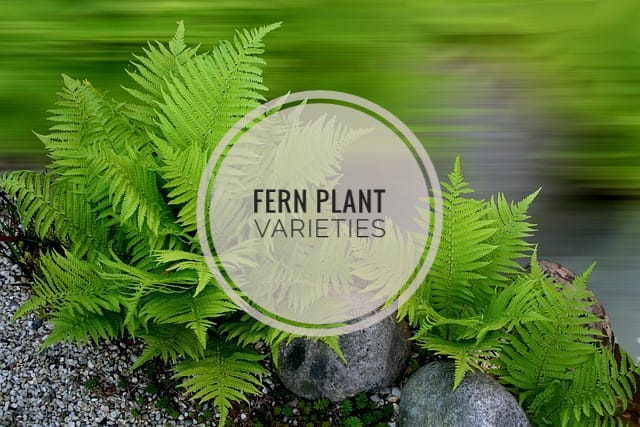
fern varieties often remind us of quiet corners in old gardens where everything feels cooler. We see their soft green fronds and feel a kind of calm that only plants can give.
Many gardeners discover ferns when they want something lush without too much drama. They fit balconies gardens and shady backyards with ease.
“Ferns teach us that beauty often grows quietly in the shade.”
INTRODUCTION
Ferns pull us in with their gentle texture and graceful shape. We love how they soften hard edges around pots and walls.
When we start exploring fern varieties we quickly learn that each one has a unique personality. Their leaves behave differently. Some curl others arch and a few stand upright like small green fountains.
Ferns are some of the oldest plants on earth. They do not produce flowers or seeds. They grow from spores which makes them feel a bit mysterious. Yet they are simple to care for if we understand their basic needs.
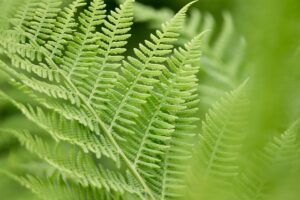
Below is a simple 10 row table introducing fern plant beginners notice first.
| Feature | Description |
|---|---|
| Plant Type | Non flowering plant that reproduces through spores |
| Family | Polypodiaceae and several other related families |
| Leaf Structure | Fronds with divided leaflets that unfurl from coiled fiddleheads |
| Root System | Fibrous shallow roots that prefer moist organic soil |
| Height Range | Usually 30 cm to 150 cm depending on species |
| Ideal Light | Soft shade or filtered light with no harsh sun |
| Water Requirement | Constant moisture with light frequent watering |
| Temperature Range | Prefers 18°C to 27°C with good humidity |
| Soil Preference | Rich loose soil with compost and leaf mould |
| Growth Habit | Clumping or creeping with new fronds emerging from rhizomes |
HISTORY AND ORIGIN
Ferns have been around for millions of years. They thrived long before flowering plants appeared. They grew across forests wetlands and mountains. Many cultures used ferns for healing rituals shelter and food during tough seasons. Their fronds often symbolised humility because they grew best in hidden places.
ETYMOLOGY
The word fern comes from the Old English term “fearn” which referred to feathery plants found near streams and forests. The name reflects the delicate nature of their fronds which look like soft feathers.
IDEAL GROWING CONDITIONS
SOIL
Ferns enjoy rich loose soil that holds moisture. We pick a mix with compost coco-peat and leaf mould.
WATER
We keep the soil evenly moist. Ferns dislike dry spells so we check the top layer often. Light misting helps.
SUNLIGHT
They grow best in low shade or filtered light. Direct sun burns their fronds quickly.
TEMPERATURE
Most ferns enjoy temperatures between 18°C to 27°C. Cooler nights are fine if the soil stays slightly moist.
REGION SUITABILITY
Ferns grow well in tropical and subtropical areas. Indoor growers in colder regions also keep them happy with stable shade and humidity.
WHEN TO PLANT SEEDS OR BUY SAPLINGS
Ferns are quicker to start from saplings. Spores take longer and need steady humidity. We buy young plants during mild months like early monsoon or early winter.
These seasons support steady growth without heat stress. Saplings also adjust faster to new pots.
POPULAR VARIETIES OR SPECIES
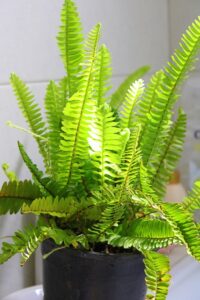
Boston Fern
This classic fern grows lush arching fronds that soften any corner with gentle movement.
• Native place: Tropical Americas
• Fruit or flower name: none
• Ideal climate: warm humid shade
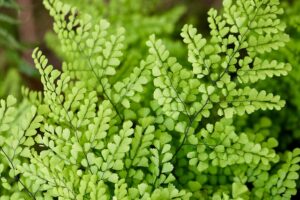
Maidenhair Fern
Its fronds look like fine lace that glows softly in shade with gentle breezes.
• Native place: Worldwide
• Fruit or flower name: none
• Ideal climate: cool moist shade
Staghorn Fern
It grows antler shaped fronds that cling to wooden mounts and look sculptural indoors.
• Native place: Australia
• Fruit or flower name: none
• Ideal climate: warm filtered shade
Bird’s Nest Fern
Its leaves rise like a bowl catching light in beautiful waves with each new frond.
• Native place: Southeast Asia
• Fruit or flower name: none
• Ideal climate: warm moist shade
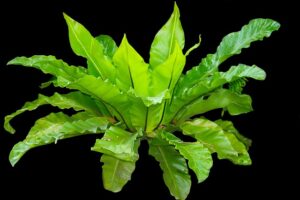
Holly Fern
Its glossy leaves look bold and leathery giving strong texture to shaded gardens.
• Native place: Asia
• Fruit or flower name: none
• Ideal climate: cool shade
Blue Star Fern
Its blue toned leaves add colour variety making it special among green foliage plants.
• Native place: Tropical Americas
• Fruit or flower name: none
• Ideal climate: low light humidity
Rabbit’s Foot Fern
It produces furry creeping rhizomes that sit over pots creating a lovely natural look.
• Native place: Fiji
• Fruit or flower name: none
• Ideal climate: warm filtered light
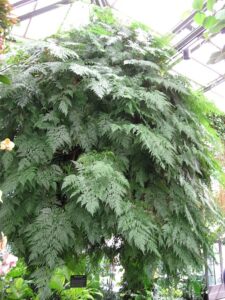
Kangaroo Paw Fern
Its thick lobed fronds stay sturdy and adapt well to indoor conditions.
• Native place: Australia
• Fruit or flower name: none
• Ideal climate: mild shade
Silver Brake Fern
Its silver striped leaves stand out and brighten darker spaces.
• Native place: Asia
• Fruit or flower name: none
• Ideal climate: warm shade
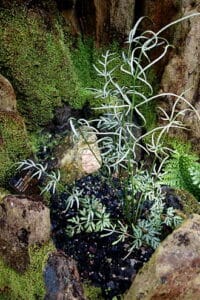
Lace Fern
Its airy texture gives an elegant soft look wherever we place it.
• Native place: Africa
• Fruit or flower name: none
• Ideal climate: moist gentle shade
TREE CARE AND MAINTENANCE
PRUNING
We trim brown or broken fronds to keep the plant fresh. Regular cleaning encourages new growth.
WATERING SCHEDULE
We water lightly several times a week based on humidity. The soil should feel moist but never soggy.
FERTILIZING
We use a mild liquid fertilizer once a month during active growth. Overfeeding harms delicate roots.
MULCHING
A thin mulch layer helps keep moisture steady. Leaf compost works well for most fern types.
PROPAGATION
Ferns spread by division. We split mature clumps gently and plant sections in fresh moist soil.
COMMON PROBLEMS AND SOLUTIONS
PESTS
Ferns sometimes attract scale or mealybugs. We clean fronds with mild soap water and maintain airflow.
DISEASES
Root rot happens when soil stays too wet. We improve drainage and reduce watering during cool spells.
PREVENTIVE MEASURES
We keep humidity steady avoid harsh sun and maintain clean pots. Regular checks help catch issues early.
ECONOMIC AND ENVIRONMENTAL IMPORTANCE
Ferns are used by nurseries home gardeners resort designers and landscapers. Their demand stays stable because they handle shade well. Fern farming has small investment needs since they multiply easily by division.
They support indoor air quality by releasing oxygen and filtering pollutants. In nature ferns protect soil from erosion hold moisture and offer shelter for insects. Their structure captures carbon in a slow steady way through their biomass.
INTERESTING FACTS
- Ferns are older than most dinosaurs.
- Some ferns glow slightly under UV light due to natural chemicals.
- Staghorn ferns can live for decades when mounted on wood.
- Tree ferns in ancient forests can grow several meters tall.
- Fern spores travel long distances through wind currents.
FAQS
1. Are ferns good plants for beginners?
Yes ferns suit beginners because they forgive gentle mistakes. We only need to focus on moisture shade and simple care. Their slow steady nature helps new gardeners learn plant behavior without stress which makes them a great first choice for indoor settings.
2. How often should we water indoor ferns?
Watering depends on humidity and pot size. Most indoor ferns need light frequent watering that keeps soil moist not wet. We touch the soil often to judge need because ferns do not like drying completely. A small daily mist also helps maintain steady humidity.
3. Can ferns grow outdoors in hot climates?
Yes they can but we provide deep shade and regular moisture. Hot dry winds stress ferns fast so we protect them with mulching and sheltered spots. Some hardy species adjust well but sensitive ones need extra attention during peak summer days.
4. Why do fern fronds turn brown at the edges?
Brown edges usually come from dry air or direct sun. Ferns prefer cool humid corners where light stays soft. We improve humidity with misting and keep them away from harsh heat sources. Proper watering and shade usually fix the issue over time.
5. Do ferns need repotting often?
Ferns usually grow slowly and do not demand frequent repotting. We shift them to larger pots only when roots outgrow their space. Fresh soil improves health and supports new fronds. Most ferns stay happy with repotting every one or two years.
CONCLUSION
Ferns add softness beauty and calm to any garden. They reward steady care with lush green fronds that make simple shaded spaces look alive. When we explore fern varieties we learn how many shapes and patterns live in this plant family. Their quiet presence makes them perfect for peaceful corners where we want steady green growth.
Thanks for reading. Keep growing keep exploring and don’t forget to return here at gardeningbud.com for more plants tips and gardening wisdom.