
Gazania flower season in India is a time when gardens come alive with vibrant stripes of yellow, orange, and pink that gleam under the winter sun.
I still remember walking past a park one chilly morning and spotting these dazzling gazania flowers opening wide as soon as sunlight touched them. It felt like nature had painted each petal by hand just to remind us that beauty doesn’t fade with cold weather. That walk actually inspired me to create my winter flowers list so others could discover blooms like gazania that thrive when most plants slow down.
Quote: “Gazanias are proof that even in the driest soil and brightest sun, life finds a way to bloom beautifully.”
Introduction
Gazania, often called the African daisy, is one of the most cheerful winter flowers grown across India. These sun-loving plants are famous for their bold patterns, bright petals, and ability to thrive in dry, challenging conditions.
Gardeners love gazanias for their long flowering period, drought resistance, and minimal maintenance. If you’re looking for something that will bloom all season long without much fuss, gazanias are your answer.
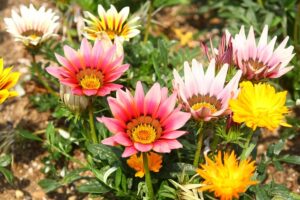
Here’s a quick overview of the plant’s essential features.
| Feature | Details |
|---|---|
| Common Name | Gazania or African Daisy |
| Botanical Name | Gazania rigens |
| Family | Asteraceae |
| Native Region | South Africa |
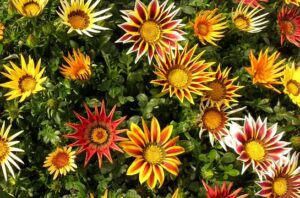
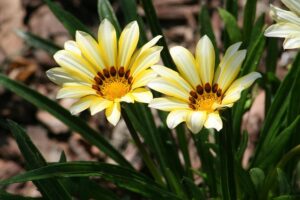
| Flower Colors | Yellow, orange, pink, white, red, striped shades |
| Blooming Season | Winter to early summer |
| Ideal Temperature | 10°C to 25°C |
| Sunlight Requirement | Full sunlight (6–8 hours daily) |
| Suitable for | Borders, pots, hanging baskets, ground cover |
| Lifespan | Perennial in mild climates, annual in others |
History and Origin
Gazania owes its name to Theodor Gaza, a 15th-century Greek scholar who translated botanical works. Native to South Africa’s coastal regions, gazanias were first brought to Europe in the 17th century and admired for their ability to flourish in sunny, dry conditions where few other flowers could.
They quickly spread to other continents, especially to India, where they became winter favorites. Their radiant, sun-shaped faces earned them the nickname “Treasure Flowers.” The name fits perfectly—each bloom looks like a jewel in the garden.
Culturally, gazanias are associated with cheerfulness, endurance, and positivity. They open in full sunlight and close in shade, symbolizing optimism and the beauty of resilience.
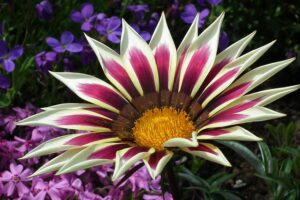
Ideal Growing Conditions
Gazania is the perfect plant for sunny Indian winters. It thrives where other flowers might struggle and rewards gardeners with consistent blooms.
Soil:
Well-drained sandy or loamy soil works best. Gazania dislikes heavy clay or waterlogged soil. Adding compost or coco peat helps improve texture and drainage.
Water:
These flowers prefer moderate watering. Once established, they can tolerate dry spells easily. Water only when the topsoil feels dry.
Sunlight:
Full sunlight is non-negotiable for gazanias. They bloom best under bright light and often close during cloudy or dark hours.
Temperature:
The ideal range is 10°C to 25°C. They love cool winter air and bright sunlight but can struggle during humid or extreme summer conditions.
Region Suitability:
In India, gazanias flourish in the plains and hilly regions during winter. You can see them brightening gardens in Delhi, Pune, Bangalore, Jaipur, and Shimla.
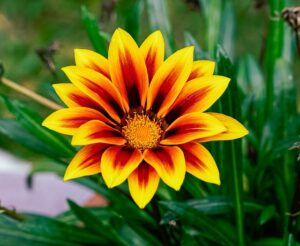
When to Plant Gazania Seeds or Buy Saplings
Timing makes all the difference when growing gazanias in India. Since they are winter bloomers, it’s best to start early so the plants have enough time to establish before the season peaks.
If you’re growing from seeds, sow them between late September and early November. In northern India, where winters arrive earlier, start in September. In southern or coastal areas, October to November works well.
For those who prefer to buy saplings, visit local nurseries around November or December. By then, you’ll find healthy young plants ready to bloom soon after planting.
Make sure you pick sunny days for transplanting and water lightly after shifting. Gazania doesn’t like too much moisture, so avoid overwatering during this stage. Within a few weeks, you’ll see the first buds forming, and your garden will start to glow with color.
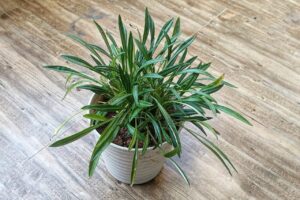
Popular Varieties/Species
Gazania has several hybrids and cultivars available in India, each known for unique color combinations and growth habits. Here are some well-known varieties:
1. Gazania rigens (Treasure Flower)
- Native place: South Africa
- Flower name: Treasure Flower
- Ideal climate: Mild winters with full sunlight
2. Gazania splendens
- Native place: Coastal South Africa
- Flower name: Splendens series
- Ideal climate: Cool dry conditions, tolerates slight frost
3. Gazania ‘Kiss Mix’
- Native place: Hybrid variety
- Flower name: Kiss Mix (red, yellow, and pink blend)
- Ideal climate: Cool sunny winter regions
4. Gazania ‘Daybreak Series’
- Native place: Hybrid developed for bedding gardens
- Flower name: Daybreak Orange, Daybreak Red Stripe
- Ideal climate: Warm and sunny regions of India
5. Gazania ‘Sunbather Series’
- Native place: Garden hybrid from Europe
- Flower name: Sunbather Copper or Sunbather Rose
- Ideal climate: Cool to moderate temperature zones
These varieties differ slightly in height, color patterns, and petal shapes but share the same sun-loving personality.
Care and Maintenance
Caring for gazania is delightfully simple. They are perfect for beginners who want a stunning display without too much effort.
1. Pruning:
Regular deadheading keeps the plant neat and promotes continuous blooming. Trim old stems to encourage fresh growth.
2. Watering Schedule:
Water moderately once or twice a week, depending on temperature. Gazanias are drought-tolerant, so it’s better to underwater than overwater.
3. Fertilizing:
Feed the plant every two weeks with organic compost or a balanced liquid fertilizer. Avoid over-fertilizing, as this can lead to excessive leaves and fewer blooms.
4. Mulching:
Use mulch like dry leaves or straw to retain moisture especially during warm or dry periods ,and suppress weeds. However, ensure soil drainage remains open.
5. Propagation:
Gazania can be propagated through seeds or cuttings. Sow seeds in late September or October in most parts of India. Cuttings taken from healthy plants also root easily in sandy soil.
Common Problems and Solutions
Gazania is a tough plant, but a few issues can occur if care slips.
Problem 1: Yellowing Leaves
Often caused by waterlogging or poor drainage.
Solution: Use well-drained soil and water sparingly. Check that pots have proper drainage holes.
Problem 2: Aphids or Whiteflies
These insects suck sap from the leaves and buds.
Solution: Spray diluted neem oil or soap solution every week until pests disappear.
Problem 3: Fungal Infections
Can occur in humid weather.
Solution: Avoid overhead watering. Ensure good air circulation and treat with organic fungicide if needed.
Problem 4: No Flowers
Too much shade or nitrogen-heavy fertilizer can reduce blooms.
Solution: Move to a sunnier spot and use balanced fertilizer with more phosphorus.
Problem 5: Wilting in Summer
Excess heat and humidity stress the plant.
Solution: Grow as a winter annual in hot regions or move to a shaded spot during extreme summer.
Economic and Environmental Importance
Gazanias may look delicate, but they’re valuable beyond their beauty.
Farming Scope:
In India, gazania cultivation is rising for landscaping and nursery markets. They’re used in mass planting projects, road dividers, and resorts because they stay attractive for months.
Market Value:
Potted gazanias and cut flowers fetch good prices during winter. Seeds and hybrid varieties are also sold widely in garden stores.
Ecosystem Benefits:
Gazanias attract bees and butterflies, supporting pollinators during the winter season when few other flowers bloom.
Carbon Role:
Like other green plants, gazanias contribute to oxygen production and help in carbon absorption. Their dense ground cover also helps prevent soil erosion.
Interesting Facts
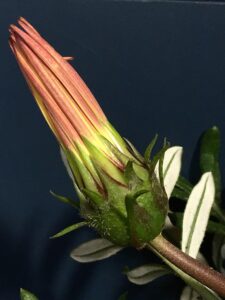
- Gazania flowers close in shade and open only in bright sunlight—a natural mechanism called “nyctinasty.”
- They are drought-tolerant because of their thick, hairy leaves that minimize water loss.
- Gazania is sometimes used as a ground cover to control soil erosion on slopes.
- In some countries, gazania is considered invasive because it spreads quickly through seeds.
- Their bright colors make them favorites for attracting pollinators even in dry landscapes.
FAQs
1. When does gazania flower season start in India?
Gazania flower season in India usually begins in late November and lasts until early summer, around April or May. The peak bloom time is from December to March when days are sunny and nights are cool.
2. How can I grow gazania from seeds at home?
Sow seeds in October in well-drained soil. Keep the tray in a sunny spot and water lightly. Germination takes about 7–10 days. Transplant seedlings once they have 3–4 leaves.
3. Can gazania survive the Indian summer?
Gazanias prefer mild to moderate temperatures. They may survive summer in hilly or cooler regions but in hot plains, they are best grown as winter annuals.
4. Do gazanias need full sun to bloom?
Yes. Gazanias require at least 6 hours of direct sunlight daily. Without enough sunlight, their flowers stay closed and the plant may look dull.
5. How do I keep gazanias blooming longer?
Regular deadheading, occasional feeding, and ensuring they get bright sunlight will extend the blooming period. Also, avoid overwatering and keep the soil light and airy.
Conclusion
Gazania is one of those flowers that can brighten even the dullest winter day. Its radiant colors and easy nature make it perfect for Indian gardens, especially for those who want low-maintenance beauty.
If you’ve never grown gazanias before, this season is the time to try. All they ask for is sunlight, a little care, and space to shine. Before long, you’ll have a carpet of colors smiling up at you every morning.
Thanks for reading. Keep growing, keep exploring, and don’t forget to return here at gardeningbud.com for more plants, tips and gardening wisdom.