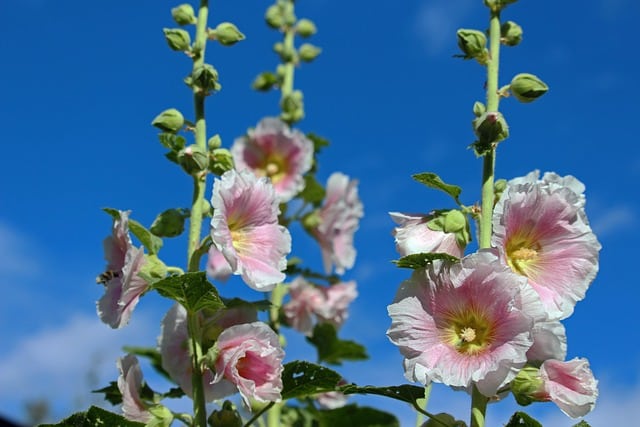
Hollyhock flower season in India is something we wait for every winter because these tall blooms change the whole garden mood. The first time we grew hollyhocks we were not sure what to expect.
One morning we stepped outside and found long stalks rising above every plant around them. The flowers looked soft yet they carried a bold presence. It felt like the garden had discovered its own personality overnight.
“Hollyhocks remind us that slow steady growth can lead to the tallest blooms.”
Introduction
When winter arrives we often prepare the garden for marigolds pansies petunias and other common choices but hollyhocks always feel special. They carry a vintage charm that makes any corner look more graceful. We love how each plant shoots upward then opens layers of petals that stay bright for many weeks.
The hollyhock flower season in India usually begins in late November. Buds appear slowly then open more fully as temperatures stay cool. Most regions enjoy flowering till March which gives us a long colorful display during the coldest months.
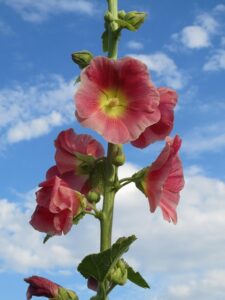
Hollyhocks are popular because they are simple to grow. Their height makes them perfect for borders or back rows. Beginners enjoy them because they do not demand complicated care and experienced gardeners love the variety of shapes and colors.
Here is a quick table to give you a clear overview.
| Feature | Details |
|---|---|
| Botanical name | Alcea rosea |
| Family | Malvaceae |
| Flowering season | Late November to March |
| Ideal temperature | 10 to 25°C |
| Plant height | 4 to 8 feet |
| Sunlight requirement | Full sun |
| Water needs | Moderate |
| Plant type | Biennial |
| Best regions | North and Central India |
| Common flower colors | Pink red yellow purple white |
History and Origin
Hollyhocks travel through many cultures. Most researchers believe they originated in Asia especially regions around China or the Middle East. Traders carried the seeds along ancient routes because they grew easily and offered both decoration and simple medicinal uses.
The name Alcea may have come from a Greek word related to healing. In Europe hollyhocks were common in cottage gardens where they stood against walls or fences. Their height made them useful and their colors added life to simple homes.
In India hollyhocks arrived much later through trade and cultural exchange. They adapted well to our winter climate especially in northern regions.
Many old Indian houses used hollyhocks as cheerful winter borders which is a tradition many gardeners still follow.
Growing Conditions
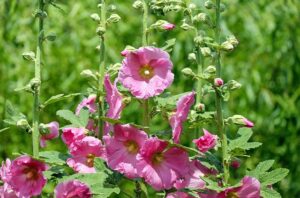
Hollyhocks are not demanding but they respond well when we give them the right setup. These subheadings help you plan their ideal space.
Soil
They grow best in loose soil that drains well. We mix compost with garden soil to keep it rich and airy. Healthy soil encourages tall sturdy stalks.
Sunlight
Hollyhocks love full sun. They need at least six hours of bright light every day. When they get enough sun their flowers form well and colors stay vivid.
Water
Watering must be moderate. We keep the soil lightly moist without letting it become soggy. Too much water affects root strength and increases fungal issues.
Temperature
They thrive between 10 and 25°C. This is why Indian winters suit them perfectly. Cool nights and mild days produce the best bloom quality.
Spacing
Hollyhocks need room to breathe. We keep enough distance between plants so air circulates freely. This helps reduce rust and other fungal problems.
Varieties
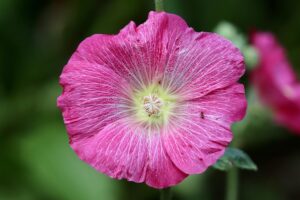
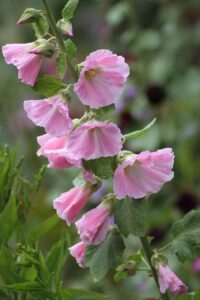
Hollyhocks come in many shapes and colors. Some have simple petals while others have dense ruffled layers. Their range makes them a favorite for creative winter gardens.
Single Hollyhock
Native place: China
Fruit name: Schizocarp seed pod
Climate type: Cool temperate
These have one layer of petals that look clean and classic. They highlight the natural tall shape of the plant.
Double Hollyhock
Native place: Middle East
Fruit name: Schizocarp seed pod
Climate type: Mild cool
These have fluffy multi layered petals that look rich. They create heavy colorful flower heads that catch attention easily.
Halo Hollyhock
Native place: Central Asia
Fruit name: Schizocarp seed pod
Climate type: Cool dry
These have a contrasting ring of color at the center. The halo effect gives the flowers depth and a striking look.
“In our second winter as home gardeners we planted a few hollyhock seeds without expecting much. For weeks nothing happened then one cold morning we stepped outside and saw tall stalks covered with soft petals glowing in the sunlight. It felt like the plants had quietly grown overnight waiting for the perfect moment to surprise us. That day we understood why people love winter flowers so much.”
Care Tips
Hollyhocks grow easily but a little attention helps them look their best. These subheadings break down the essential care steps.
Pruning
We remove dry leaves and faded flowers to help the plant focus its energy on new buds. Clean pruning also keeps the plant healthy through the season.
Repotting
If grown in pots we shift them into deep containers because hollyhocks build long taproots. Strong roots support tall stems and help them stay upright.
Fertilizing
We add compost at planting time then give a mild organic fertilizer every four weeks. This keeps growth steady without encouraging too many leaves at the cost of flowers.
Propagation
Propagation is usually done through seeds. We collect dry pods at the end of the season then store them in a cool dry place. These seeds stay healthy for years.
Support
Tall stems lean during strong wind so we use bamboo sticks for support. A simple tie keeps them straight and protects fresh buds from damage.
Problems and Solutions
Hollyhocks face a few predictable issues but each problem has a simple fix.
Rust disease
This is the most common issue. You will notice orange spots under leaves. We remove those leaves and improve spacing so air moves well around the plant.
Aphids
Aphids gather near soft buds. We spray neem water which works safely and quickly.
Stem bending
Tall stems bend because of wind or lack of support. Using a stake early in the season prevents this problem.
Slow flowering
If plants do not get enough sun flowering slows down. Shifting them to a brighter location usually solves the issue.
Yellow leaves
This comes from excess watering. We let the soil dry out slightly before watering again.
Uses and Benefits
Hollyhocks offer more than beauty. Their height structure and history add value to gardens in many ways. These subheadings make it easier to understand their importance.
Ornamental Value
Hollyhocks add dramatic height to winter gardens. They fill empty corners and make back rows look full. Their colors brighten dull spaces and blend well with other winter flowers.
Medicinal Tradition
Old cultures used hollyhock roots in simple herbal mixtures. While these uses are less common today their historical role gives the plant a deeper story.
Environmental Role
Hollyhocks attract bees and butterflies which improves pollination in nearby plants. This makes them helpful for mixed gardens and kitchen gardens.
Cultural Presence
In many regions tall flowers represent stability and prosperity. Hollyhocks appear in folk art rural designs and old home gardens where they symbolize good growth.
Landscape Design
We place them along walls fences or garden edges. Their height acts as a natural screen and creates a layered look that makes any space more interesting.
Interesting Facts
- Hollyhocks were once planted near doors to signal a friendly home.
- They are related to okra and hibiscus because all belong to the Malvaceae family.
- Hollyhock seeds stay usable for many years if kept dry.
- Some varieties can grow taller than eight feet in perfect conditions.
- They were popular in old European cottage gardens where tall flowers hid uneven walls.
FAQs
When does the hollyhock flower season in India start?
The season begins in late November and continues till March. Winter temperatures create the perfect range for steady growth. When the cold settles in the plants start sending up tall stalks then open flowers through the coldest weeks which makes the garden bright for a long time.
Can hollyhocks grow in hot parts of India?
They struggle in strong heat because they prefer cool weather. Gardeners in hot areas can still try them by sowing seeds early and giving afternoon shade. With regular watering and rich soil some flowering is possible but the best results happen in cooler regions.
Are hollyhocks suitable for pots?
Yes they grow well in pots if the containers are deep. Hollyhocks develop long roots that need space. When we use a strong pot with good soil and regular sunlight the plant stays healthy through the full season. Occasional support keeps the tall stems from leaning.
How long do hollyhocks take to bloom from seeds?
They usually take four to five months from seed to flower. When we sow them early in the year roots and stems develop before winter begins. Once the temperature drops buds appear. The blooms open in mid winter and stay bright for several weeks.
Do hollyhocks need staking or support?
Most tall hollyhocks need support because wind can bend their stems. We place bamboo sticks next to each plant then tie the stems lightly. This keeps the flowers straight prevents breakage and helps the plant look neat through the entire season.
Conclusion
If you want a winter flower that stands out hollyhocks are a great choice. We hope this guide helps you grow them easily and enjoy their long graceful blooms.
Thanks for reading. Keep growing keep exploring and don’t forget to return here at gardeningbud.com for more plants tips and gardening wisdom.