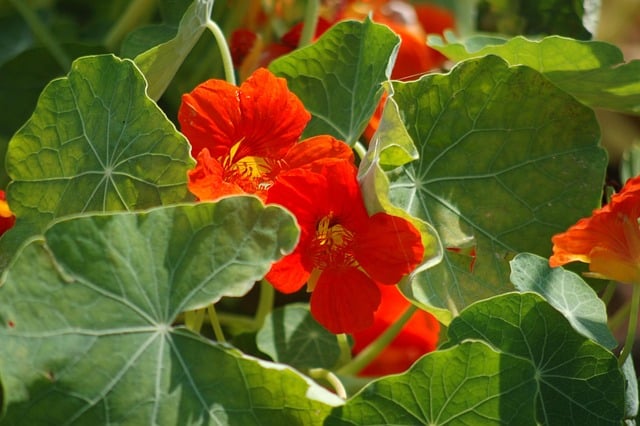
nasturtium flower season in india is something we notice every year when our garden suddenly feels brighter. We remember standing near a patch of plain soil that looked dull after monsoon.
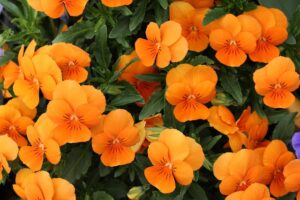
Then one morning tiny round leaves appeared and soon bright orange flowers opened like cheerful little lanterns. That moment made us realise how easy it is to grow a plant that looks beautiful tastes good and supports pollinators at the same time.
“Nasturtiums teach us that simple plants can bring unexpected joy beauty and flavour to any garden.”
Introduction
We often see gardeners searching for easy colourful plants that do not demand much care. Nasturtium fits that need perfectly. This edible flowering plant adds bright colour gives peppery leaves boosts pollinator activity and grows well in many parts of the country.
Understanding the nasturtium flower season in India helps gardeners plan better and enjoy a lush display for months.
Nasturtiums usually bloom in winter which makes them popular among home gardeners who want quick results. They are also great for balcony gardens because they trail beautifully and produce nonstop flowers in cool weather.
Here is a simple table to help you see the basic details at a glance.
| Feature | Details |
|---|---|
| Botanical name | Tropaeolum majus |
| Common names | Nasturtium garden nasturtium Indian cress |
| Plant type | Annual flowering plant |
| Flower colours | Orange yellow red cream peach |
| Leaf shape | Round shield-like leaves |
| Blooming season | Winter to early summer in India |
| Ideal climate | Cool dry season |
| Edible parts | Leaves flowers seeds |
| Growth pattern | Bushy trailing climbing |
| Difficulty level | Very easy for beginners |
History and Origin
Nasturtium belongs to South America where it has been grown for hundreds of years. Explorers brought it to Europe where it became popular as an ornamental plant. Over time its edible nature made it a favourite among cooks who liked its peppery taste.
Today it grows across warm and tropical regions including India where gardeners appreciate its cheerful flowers and simple maintenance.
Nasturtiums have cultural value too. Many people use them as companion plants because they attract good insects and distract harmful ones. Their bright colour also symbolises joy abundance and childlike creativity.
Etymology
The word nasturtium comes from the Latin phrase nasus tortus which means twisted nose. It refers to the sharp taste that makes your nose wrinkle when you chew the leaves or flowers.
The botanical name Tropaeolum relates to the ancient Greek word for a trophy which describes the shield-shaped leaves and bright blooms that look like victory emblems.
Ideal Growing Conditions
Soil
Nasturtiums love poor to medium fertile soil. Rich soil increases leaf growth but reduces flowers. We prefer sandy or loamy soil that drains well and never stays soggy. A neutral or slightly acidic pH works best.
Water
These plants need moderate water. Overwatering causes root rot and reduces flowering. We water them only when the top layer feels dry. In winter they need less water but still prefer even moisture.
Sunlight
Nasturtiums bloom best in full sun. They can tolerate partial shade but produce fewer flowers. Around six hours of sunlight helps the plant stay compact and colourful.
Temperature
They thrive in cool conditions between 10°C and 25°C. High heat slows flowering and can cause wilting. In very hot cities the plants grow better in late winter and early spring.
Region Suitability
They grow well in North India during winter because temperatures stay cool. Gardeners in South and coastal regions can plant them during the coolest months.
Hill regions enjoy the longest blooming period because the climate stays mild.
When to Plant Seeds or Buy Saplings
The best time to sow nasturtium seeds in India is between late September and early December. Seeds sprout quickly in cool soil and start flowering in about six to eight weeks.
Buying saplings is also an option but seeds give better results and are cheaper.
If you are in a hot area wait until temperatures drop at night. If you are in a mild hill region you can grow them for a longer season.
Popular Varieties or Species
1. Tropaeolum majus (Common Nasturtium)
- Native place: South America
- Flower name: Large bright blooms in mixed colours
- Ideal climate: Cool winter in plains and mild summer in hills
2. Tropaeolum minus (Dwarf Nasturtium)
- Native place: Peru
- Flower name: Small compact flowers
- Ideal climate: Cooler zones with full sun
3. Tropaeolum peregrinum (Canary Creeper Nasturtium)
- Native place: Mexico and Central America
- Flower name: Fringed yellow blooms
- Ideal climate: Light winter and mild summer in hill areas
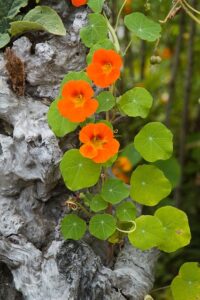
“We once planted nasturtiums along a broken fence just to hide the gap. Within two months the vines covered the entire area with flowers that looked like glowing coins. Visitors assumed we spent hours caring for them but they hardly needed any attention.”
Tree Care and Maintenance
Pruning
We remove faded flowers to encourage fresh blooms. Light trimming keeps the plant tidy and reduces pests. Avoid heavy cuts because the stems are delicate.
Watering Schedule
We water every two or three days depending on the weather. The soil must remain moist but not waterlogged. In cooler months the schedule becomes lighter.
Fertilizing
Nasturtiums do not need much fertilizer. Too much nutrition creates more leaves and fewer flowers. We add a little compost at planting time and avoid chemical fertilizers.
Mulching
Mulch keeps the soil cool and helps maintain moisture. Light organic mulch like dry leaves or coco chips works well. Avoid thick mulch that traps too much moisture.
Propagation
Seeds are the easiest method. The plant self seeds naturally if the soil remains undisturbed. You can also save seeds from mature pods and sow them next season.
Common Problems and Solutions
Pests
Aphids appear often on tender shoots. Washing the leaves with water or spraying neem solution handles them well. Butterflies sometimes lay eggs under leaves but this rarely harms the plant.
Diseases
Fungal infections like mildew appear when the plant stays wet for too long. Good spacing and proper watering reduce the problem. Remove infected leaves early.
Preventive Measures
Choose sunny spots and avoid feeding the plant too much. Keep the leaves dry during watering and use clean tools to reduce disease spread.
Economic and Environmental Importance
Nasturtiums have a growing niche value because they are edible and used in salads sauces and garnishes. Some small farmers grow them for local markets especially near resorts and organic cafes.
They also work as trap crops because they attract pests away from vegetable beds which helps reduce pesticide use.
Environmentally they support bees and hoverflies. Their leaves improve soil structure when they decompose. As fast growers they add green cover that supports small insects and helps balance micro ecosystems.
Interesting Facts
- Nasturtium flowers glow slightly under low light because of their transparent cells.
- The seeds taste like capers when pickled which is why some gardeners call them poor man’s capers.
- The entire plant is edible and rich in vitamin C.
- Nasturtium was once used in herbal remedies for improving immunity.
- Some varieties grow more than two meters when given support.
FAQs
1. When does nasturtium bloom best in India
Nasturtiums bloom best during the cool dry months between November and March. The flowers open faster when daytime temperatures stay gentle and nights are slightly cold. In hot regions the season becomes shorter but you can still enjoy blooms if you plant at the right time. The plant responds quickly to sun and low humidity which is why winter gives the best display.
2. Are nasturtiums good for beginners
Yes they are perfect for beginners because the seeds sprout easily and the plant handles small mistakes. Even if you forget to fertilize or prune the plant still produces flowers. You only need to avoid heavy watering and deep shade. With simple care beginners gain confidence and enjoy a colourful garden early in their journey.
3. Can nasturtiums grow in pots
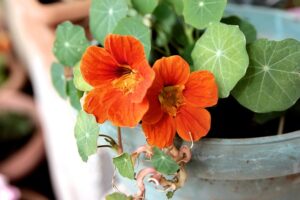
Nasturtiums grow very well in pots because their roots stay compact and do not demand much space. Choose a wide container with good drainage and place it in full sun. Water lightly and avoid rich soil so the plant keeps flowering for months. They trail beautifully which makes them ideal for balconies and terrace railings.
4. Are nasturtiums edible
Yes the flowers leaves and seeds are edible. They have a peppery taste similar to rocket which makes them useful in salads sandwiches and chutneys. Many chefs use the bright petals to decorate dishes. If you grow them for eating avoid chemical sprays and choose organic soil for safe harvesting throughout the season.
5. Why do nasturtium leaves turn yellow
Leaves often turn yellow due to overwatering poor drainage or too much heat. You can fix this by reducing water and improving airflow around the plant. Check for pests like aphids because they sometimes weaken young shoots. Once the plant receives proper sun and moderate watering the leaves return to a healthy green shade.
Conclusion
Nasturtiums bring colour flavour and life to any garden without demanding constant care. Their growing season fits perfectly with Indian winters which makes them one of the most rewarding annuals for beginners.
If you plan your timing right you can enjoy months of cheerful flowers that brighten your home and support pollinators at the same time.
Thanks for reading. Keep growing keep exploring and don’t forget to return here at gardeningbud.com for more plants tips and gardening wisdom.