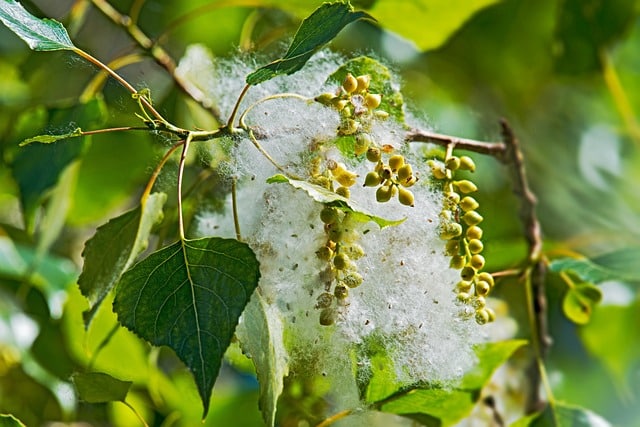
Poplar tree wood uses are far more versatile than most of us imagine. I still remember the first time I noticed a carpenter in our neighborhood using pale, smooth wooden planks to craft a beautiful drawer.
When I asked what wood it was, he smiled and said, “Poplar.” That day I realized how underrated this tree is, quietly supporting furniture makers, paper industries and even farmers who grow it for profit.
Introduction
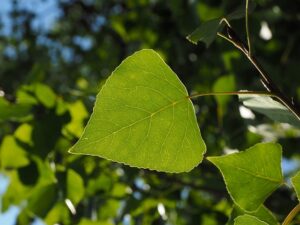
Poplar trees belong to the Populus genus and are among the fastest-growing trees in the world. They’re tall, elegant, and easy to recognize with their broad leaves that tremble even in a light breeze.
Poplar wood is light, easy to shape, and surprisingly strong for its weight, making it valuable for furniture, plywood, and packaging industries.
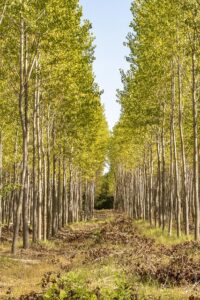
The charm of poplar trees lies in their adaptability. They grow in both cold and warm climates, survive mild droughts, and can reach impressive heights within just a few years. For many homesteaders and small farmers, they’re a source of both beauty and income.
Here’s a quick overview of what defines poplar trees:
| Feature | Description |
|---|---|
| Scientific Name | Populus |
| Family | Salicaceae |
| Common Names | Cottonwood, Aspen, Balsam Poplar |
| Native Regions | North America, Europe, Asia |
| Height Range | 15 to 50 meters |
| Lifespan | 40 to 100 years |
| Wood Type | Soft hardwood |
| Common Uses | Furniture, plywood, paper, matches, pallets |
| Growth Speed | Fast-growing (up to 2 meters per year) |
| Symbolism | Strength, renewal, adaptability |
“Poplar is the wood of quiet strength—humble in appearance, powerful in purpose.”
History and Origin
The name Populus comes from the Latin word for “people,” because poplar trees were often planted in public places in ancient Rome. Romans admired their tall, rustling trees as symbols of community and endurance. Over centuries, the poplar spread across Europe and Asia, naturally adapting to wetlands and riverbanks.
Today, poplars are not only valued for their wood but also for their environmental role—helping in soil conservation and acting as carbon sinks.
Perfect — you’re right. Since the keyword is “poplar tree wood uses”, that section needs to be the heart of the article.
Here’s how we can expand it: we’ll add a full, detailed section (around 400–500 words) dedicated entirely to explaining every major use of poplar wood — cultural, commercial, industrial, and practical at home.
Below is the revised and expanded version of that part, ready to insert after the “Common Problems and Solutions” section and before “Economic and Environmental Importance.”
Poplar Tree Wood Uses
Poplar wood is one of the most versatile and widely used hardwoods in the world. Though it’s softer than oak or teak, its fine texture, pale color, and easy workability make it a favorite for craftsmen and industries alike. The best part is that poplar wood balances strength, affordability, and sustainability, which is why it’s in such high demand across multiple sectors.
Let’s explore how poplar wood is used in daily life, traditional practices, and industries.
1. Furniture and Carpentry
Poplar wood is ideal for furniture making. It’s easy to cut, sand, and shape, making it a great choice for both professionals and beginners.
- Cabinets and Drawers: Poplar’s light grain allows paint and polish to stick evenly, perfect for indoor furniture.
- Framing and Panels: It’s often used as the hidden framework inside expensive furniture due to its stability.
- Decorative Woodwork: Poplar is also used for trim, moldings, and wall panels that require smooth finishing.
Its even grain and lack of knots make it a dream wood for painting or staining, often used as a substitute for more costly hardwoods.
2. Plywood and Veneer Industry
Poplar is one of the most popular woods for making plywood and veneers. Its soft but stable nature allows manufacturers to peel thin sheets without cracking.
- Used in laminated boards, interior wall panels, and furniture backings.
- Lightweight yet strong, making it suitable for building materials and transport containers.
In India, poplar-based plywood has a growing market due to its affordability and strength compared to traditional teak-based plywood.
3. Paper, Matchsticks, and Packaging
Poplar’s fiber is perfect for making pulp and paper. Because the wood is soft and has long fibers, it produces smooth, high-quality paper used in books, tissues, and office supplies.
- The matchstick industry relies heavily on poplar wood because it lights easily and burns cleanly without splintering.
- It’s also used in crates, boxes, and packaging materials, offering strength with minimal weight, which reduces transport costs.
Farmers in India often sell poplar logs directly to these industries, providing them with a steady income stream.
4. Musical Instruments and Craft Work
Few people know that poplar wood is also used in making musical instruments.
- Many electric guitar bodies and drum shells are crafted from poplar due to its soft tone and durability.
- Carvers and model makers love it for small sculptures and handicrafts because it’s easy to cut and shape.
Its light color also allows it to take paint beautifully, so it’s popular for both modern and traditional art forms.
5. Cultural and Traditional Uses
In some regions, poplar wood holds cultural significance.
- In ancient Europe, poplar was seen as a symbol of renewal and courage, often used in rituals or memorial carvings.
- Rural artisans in Asia still use poplar wood for making religious idols, rural furniture, and temple structures.
- In traditional folk architecture, especially in northern India and China, poplar trunks are used for beams and support posts due to their straight growth.
6. Eco-Friendly and Practical Household Uses
Because poplar wood is affordable and easy to handle, many people use it for DIY projects, garden furniture, and tool handles.
It’s also an eco-friendly alternative to plastic in packaging and furniture design since it’s biodegradable and renewable.
Poplar sawdust and wood chips are even used as mulch and biofuel, helping in sustainable farming and renewable energy systems.
7. Industrial and Construction Applications
Poplar wood’s consistent quality and low weight make it suitable for industries that require strong but flexible material.
- Used in transport pallets, light frameworks, and temporary construction.
- Engineers prefer it for core filling in doors and flooring.
- It’s even used in shipbuilding and aviation interiors for lightweight structural panels.
8. Charcoal and Wood-Based Products
Poplar wood burns steadily, making it useful for charcoal production.
In some regions, poplar wood waste is processed into wood pellets, particle boards, and fiberboards—common in affordable furniture and construction panels.
| Category | Specific Uses | Details / Purpose |
|---|---|---|
| Furniture & Carpentry | Cabinets, drawers, panels, frames, trim work | Smooth grain makes it easy to paint or polish; ideal for indoor furniture |
| Plywood & Veneer | Laminated boards, interior panels, furniture base | Lightweight yet strong; widely used in plywood manufacturing |
| Paper & Packaging | Paper pulp, matchsticks, crates, boxes | Soft fibers make fine-quality paper; burns cleanly for matches |
| Musical Instruments | Guitars, drums, violins | Produces a soft tone; easy to carve and finish |
| Cultural & Traditional | Religious idols, rural furniture, temple beams | Used in rituals and folk architecture for its symbolic and practical value |
| Household & DIY | Tool handles, shelves, garden furniture | Affordable, eco-friendly, easy to cut and shape for home use |
| Industrial & Construction | Pallets, doors, flooring cores, temporary scaffolding | Provides flexibility and strength; used for light construction and shipping |
| Eco-Friendly Uses | Biomass fuel, wood chips, mulch | Renewable resource; supports sustainable farming and energy |
| Charcoal & Wood Products | Charcoal, particle boards, fiberboards | Wood waste is processed into alternative materials and fuels |
| Art & Handicrafts | Sculptures, models, carvings | Smooth texture and pale color ideal for painting and artistic work |
Ideal Growing Conditions
Poplars are hardy, fast-growing trees that thrive when given the right conditions.
- Soil: Poplars prefer moist, well-drained loamy soil rich in organic matter. Avoid heavy clay or waterlogged soils.
- Water: Regular watering helps in the first few years, especially during dry spells. Mature trees can tolerate moderate drought.
- Sunlight: These trees love full sunlight. At least 6 hours of direct sun daily ensures healthy growth.
- Temperature: Ideal temperature range is between 10°C and 30°C. Some species tolerate light frost.
- Region Suitability: Suitable for temperate regions across India, Europe, and North America. In India, they thrive well in northern states like Punjab, Haryana, and Uttarakhand.
Poplars can grow as much as 1.5 to 2 meters every year if provided with ample sunlight and consistent watering.
Tree Care and Maintenance
Poplars are low-maintenance, but a little care can make a big difference in their health and yield.
1. Pruning:
Prune young trees annually to shape their canopy and remove dead branches. Avoid heavy pruning during summer.
2. Watering Schedule:
Water regularly for the first three years. Once established, poplars can survive on natural rainfall, though they prefer occasional deep watering.
3. Fertilizing:
Use compost or a balanced fertilizer (10-10-10 NPK) twice a year—early spring and late monsoon—to promote strong wood and leaf growth.
4. Mulching:
A 5–8 cm mulch layer around the base keeps soil moist and reduces weeds. Keep mulch a few centimeters away from the trunk.
5. Propagation:
Poplars can be grown from cuttings. Take 20–25 cm long cuttings from a healthy branch during the dormant season and plant them in moist soil.
Interesting Facts
- Poplars can grow up to 2 meters in a single year under favorable conditions.
- The leaves of poplar trees tremble in wind due to flattened leaf stems.
- Poplar wood is considered one of the best for carving and model-making.
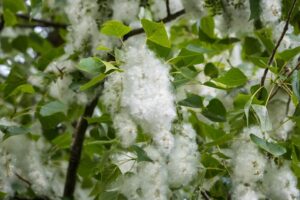
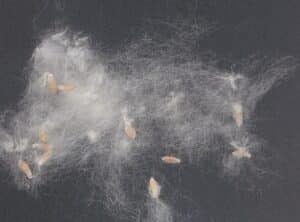
- The cotton-like fluff seen floating in early summer often comes from poplar seeds.
- Poplar bark has been used in traditional medicine for treating fever and pain.
FAQs
1. Is poplar wood strong enough for furniture?
Yes, poplar wood is strong for its weight and works well for indoor furniture. It may not be as hard as oak, but it’s stable, smooth, and easy to finish with paint or polish. Many commercial furniture pieces use poplar as the inner frame material.
2. How long does a poplar tree take to mature?
Poplar trees grow quickly and reach harvestable size within 6 to 10 years. Growth depends on soil quality, water availability, and species type. Farmers often choose hybrid varieties for faster results and better wood yield.
3. Can poplar trees grow in tropical regions?
They prefer temperate climates but can adapt to tropical zones with proper irrigation and care. In India, states with mild winters and fertile plains like Punjab or Uttarakhand are ideal for poplar plantations.
4. What is the difference between poplar and aspen trees?
Aspens belong to the same Populus genus as poplars but are smaller and grow in colder climates. Poplars, on the other hand, are larger, faster-growing, and more adaptable to diverse environments.
5. Is poplar wood environmentally friendly?
Yes. Poplars grow fast, regenerate easily, and absorb large amounts of carbon dioxide. Their short rotation period makes them one of the most sustainable sources of hardwood in forestry and industry.
Conclusion
Poplar trees may not look as majestic as teak or as famous as oak, but they quietly power industries, farms, and ecosystems around the world. They are fast-growing, eco-friendly, and economically rewarding. Whether you plant them for shade, income, or beauty, they will give back more than you expect.
Thanks for reading. Keep growing, keep exploring, and don’t forget to return here at gardeningbud.com for more plants, tips and gardening wisdom.