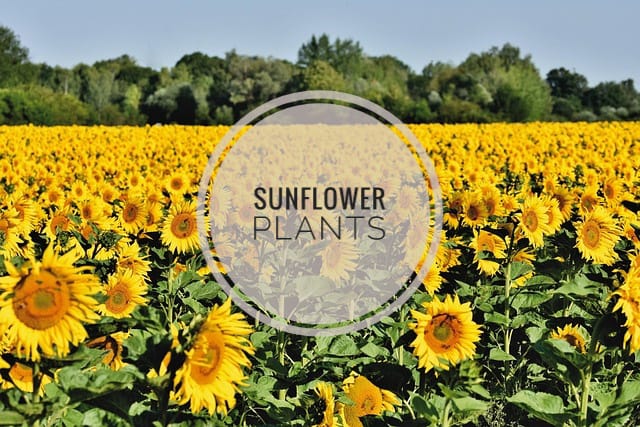
Sunflower flower season in india often reminds us of long drives past bright fields that seem to glow under the afternoon sun. I still remember stopping my bike near a small village outside Pune.
A farmer waved at me while standing in the middle of a tall golden patch. The flowers were almost at my eye level and I felt as if I had stepped into warm daylight. Moments like these stay with us because sunflowers feel simple yet grand.
“The flower that follows the sun does so even on cloudy days.” – Robert Leighton.”
Introduction
We often see sunflowers as cheerful plants that lift our mood at first glance. In India they grow well in many regions because they adapt to different soils and changing temperatures.

Their season depends on climate patterns in each state but we usually see peak blooming between February and May or September and November.
These wide windows help farmers plan sowing for edible oil production and help home gardeners choose the right time for healthy blooms.
Here is a quick table to help you understand the basics.
| Feature | Details |
|---|---|
| Scientific Name | Helianthus annuus |
| Family | Asteraceae |
| Ideal Season in India | February to May and September to November |
| Suitable Climate | Warm with moderate humidity |
| Best Soil Type | Well drained loamy soil |
| Height Range | 1 to 3 meters depending on variety |
| Flower Size | 7 to 30 cm |
| Sun Requirement | Full sunlight for 6 to 8 hours |
| Water Needs | Moderate |
| Main Use | Oil production ornamental gardening cut flowers |
History and Origin
Sunflowers originally come from North America where they were grown by tribal communities for food and ceremonial use.
They travelled to Europe in the 16th century and slowly reached Asia through trade routes. Today India grows them for edible oil because the seeds provide high value and good yield.
Sunflowers are also seen in art literature and spiritual texts because they represent warmth positivity strength and devotion. Many cultures connect them with good luck and long life.
Etymology
The word Helianthus comes from two Greek words. Helios meaning sun and anthos meaning flower.
The name describes the plant perfectly because the flower head resembles the sun and the plant moves with light while it grows.

Ideal Growing Conditions
Soil
We prefer loose loamy soil that drains well. Heavy clay soil can hold extra water which harms the roots. If the soil feels too sticky we can mix sand and compost to improve texture.
Water
Sunflowers need moderate watering. Deep watering helps the taproot grow strong. We avoid daily light watering because it makes the surface wet but keeps deeper soil dry.
Sunlight
These plants need full light for at least six hours. More sunlight means stronger stems and bigger flowers. Growing them in shade will reduce bloom size.
Temperature
The ideal temperature stays between 20°C and 32°C. Seedlings grow slowly in cold zones and mature plants struggle in extreme heat above 40°C.
Region Suitability
Sunflowers grow well in Karnataka Maharashtra Telangana Andhra Pradesh Rajasthan Haryana and parts of West Bengal. They also perform well in home gardens across the plains.

When to Plant Seeds or Buy Saplings
For home gardening we usually sow sunflower seeds directly because they dislike root disturbance. We can plant seeds from late January to March or again from August to October depending on local weather.
Buying saplings is possible but seeds are easier and more budget friendly. Seeds germinate within a week if the soil stays moist and warm.
Popular Varieties or Species
Giant Single
- Native Place: North America
- Flower Name: Large single yellow bloom
- Ideal Climate: Warm dry areas
Russian Mammoth
- Native Place: Russia
- Flower Name: Tall variety with huge heads
- Ideal Climate: Cool to moderately warm climates
Teddy Bear
- Native Place: Hybrid origin
- Flower Name: Fluffy double blooms
- Ideal Climate: Mild warm climates
Sunrich Orange
- Native Place: Developed in the Netherlands
- Flower Name: Bright orange yellow petals
- Ideal Climate: Moderate temperature zones
Dwarf Sunspot
- Native Place: North American hybrids
- Flower Name: Compact blooms for pots
- Ideal Climate: Warm city gardens and balconies
“Personal Experience or Story”
“I once grew a row of sunflowers along my boundary wall because I wanted a bright backdrop. I watered them early each morning and watched them face the rising sun.
One day a neighbour told me she started watering her roses earlier because the sunflowers inspired her. It felt nice to know simple plants can influence people so easily.”
Tree Care and Maintenance
Pruning
Sunflowers generally do not need heavy pruning but we can remove dead leaves to improve airflow. If we grow branching types we can pinch the tips early for more side flowers.
Watering Schedule
Deep watering two times a week works well for most regions. In very hot zones we may need an extra round. We always keep the soil moist but not soggy.
Fertilizing
We apply compost during soil preparation. After the plants reach one foot we add a light dose of nitrogen for strong stems. Too much fertilizer reduces flower size so we stay careful.
Mulching
Mulch helps maintain moisture and reduces weeds. We use dry leaves grass clippings or coco husk around the base while keeping some space near the stem.
Propagation
Sunflowers grow from seeds. We select fresh seeds because old seeds may not sprout well. Saving seeds from mature dried heads is easy for next season.

Common Problems and Solutions
Pests
Aphids and caterpillars often attack tender shoots. We can spray neem oil once a week or use soap water to control early infestation. Birds may also peck seeds so we cover heads with nets.
Diseases
Common issues include powdery mildew and root rot. Good spacing prevents fungal growth and well drained soil avoids rot. Removing infected leaves helps reduce spread.
Preventive Measures
Healthy soil regular sunlight and proper watering provide strong resistance. We avoid overhead watering because wet leaves invite fungus.
Economic and Environmental Importance
Sunflowers support India’s edible oil industry because the seeds produce high quality oil. Many farmers choose them as a rotational crop because they improve soil structure.
The market value stays stable because the oil has good demand in urban and rural areas.
Environmentally sunflowers help pollinators like bees and butterflies because their large heads offer easy access to nectar. Their deep roots help bind soil which prevents erosion.
They also absorb carbon from the atmosphere and contribute to cleaner air.

Interesting Facts
- Young sunflower buds rotate toward the sun while mature blooms stay fixed.
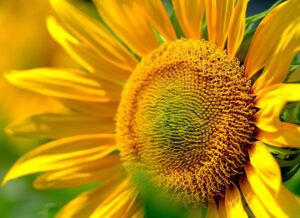
- A single sunflower head contains hundreds of tiny individual flowers.
- Some varieties grow taller than a small house.
- Sunflower seeds contain vitamin E protein and healthy fats.
- The plant’s structure follows the Fibonacci pattern which appears in many natural forms.
FAQs
When is the best month to grow sunflowers in India
The best month depends on your region but most gardeners start sowing in February or March when the soil gets warm. Another good season starts in August which allows the plants to bloom before winter.
We avoid very wet monsoon months because too much moisture weakens seedlings and reduces growth. Planning around local heat and rainfall helps ensure bigger flowers.
Do sunflowers need daily watering
Daily watering is not required unless the soil dries very fast. Sunflowers prefer deep watering that encourages strong roots and stable stems.
Watering two times a week suits most home gardens. In hotter cities we may water more but only after checking soil moisture with our finger. Consistent but not excessive moisture gives the best results.
Can sunflowers grow in pots
Yes they grow very well in large pots with at least 12 to 16 inches depth. Dwarf and compact varieties perform best because they stay stable in limited soil.
We need full sunlight and good drainage because potted plants dry faster. Regular watering and a little compost each month help them bloom beautifully indoors or on balconies.
How long does it take for sunflowers to bloom
Most varieties take 70 to 95 days from sowing to full bloom. Dwarf plants bloom faster while tall types take more time to form strong stalks. Climate also affects timing.
Cooler nights slow down growth while warm sunny weeks speed it up. With proper care we can expect bright flowers in less than three months.
Why do my sunflower plants fall over
Sunflowers fall when the stems become tall but weak. Strong winds heavy flower heads and shallow roots can also cause leaning. We can place support sticks early to prevent this problem.
Deep watering good spacing and balanced fertilizers allow the stem to grow thicker. Handling the plant gently and protecting it from storms also helps.

Conclusion
Sunflowers remind us of brightness hope and simple beauty. They grow easily once we understand their seasonal needs and they reward us with big cheerful blooms that lift our mood.
Whether we grow them for seeds oil or decoration they add charm to any space. With the right soil sunlight water and care we can enjoy a glowing patch every year.
Thanks for reading. Keep growing keep exploring and don’t forget to return here at gardeningbud.com for more plants tips and gardening wisdom.