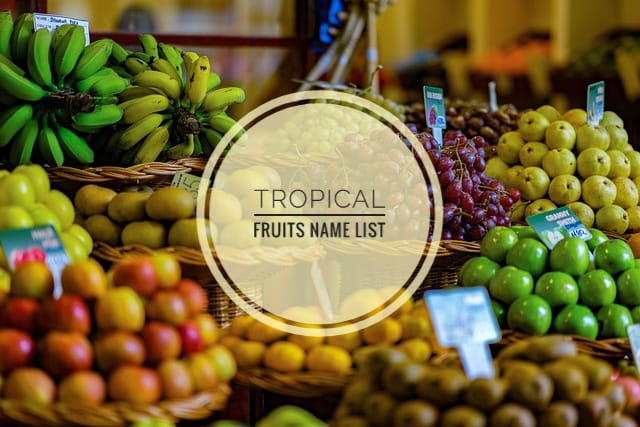
Tropical fruits name list often begins with familiar favorites like mango, banana and pineapple, yet there’s so much more to explore. Have you ever stepped into a local fruit market on a warm day and been drawn to the burst of color and fragrance?
Mangoes, bananas and pineapples stacked side by side—each promising sweetness and freshness. That’s the beauty of tropical fruits. Their diversity is unmatched and their taste instantly reminds us of summer holidays, lush gardens, and vibrant farms.
WHAT DOES “TROPICAL” MEAN?
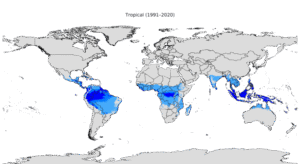
The word tropical refers to regions located near the equator where temperatures remain warm year-round.
These areas usually have abundant rainfall and sunshine, which makes them ideal for fruit-bearing trees and plants. In such conditions, fruits grow faster, juicier, and often more colorful compared to temperate zones.
Now, let’s explore 25 tropical fruits that bring color, nutrition, and taste to our gardens and tables.
1. MANGO
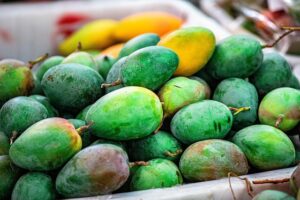
Known as the “King of Fruits,” the mango is loved for its sweetness and fragrance. India grows hundreds of mango varieties from Alphonso to Kesar.
- Native place: South Asia
- Climate type: Warm and humid
- Fruit season: March to July
2. PAPAYA
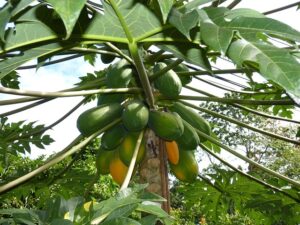
The papaya is a fast-growing tropical fruit tree with orange, juicy flesh rich in Vitamin C and enzymes that aid digestion.
- Native place: Central America
- Climate type: Hot and humid
- Fruit season: All year round
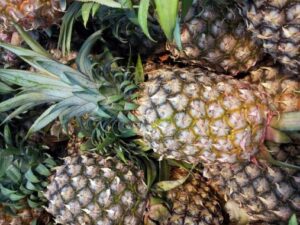
3. PINEAPPLE
Pineapple plants grow low to the ground and produce a single fruit at a time. Their sweet and tangy taste makes them a popular choice for juices and desserts.
- Native place: South America
- Climate type: Tropical and coastal
- Fruit season: March to July
4. BANANA
One of the most widely eaten fruits in India, the banana grows all year and provides instant energy. Its plant is also used for ornamental and cultural purposes.
- Native place: Southeast Asia
- Climate type: Warm and moist
- Fruit season: Throughout the year

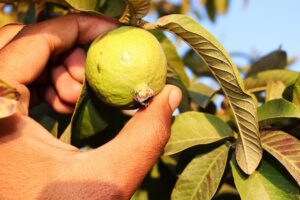
5. GUAVA
The guava tree grows easily in tropical regions. Its fruit is sweet, slightly tangy, and packed with Vitamin C.
- Native place: Central America
- Climate type: Subtropical to tropical
- Fruit season: August to November
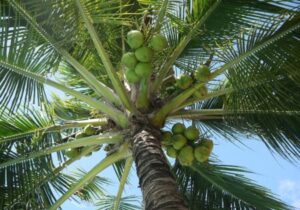
6. COCONUT
The coconut is known as the “Tree of Life.” Every part of it is useful, from fruit to husk. Coconut water is refreshing and hydrating in tropical heat.
- Native place: Indo-Pacific region
- Climate type: Coastal and humid
- Fruit season: All year round
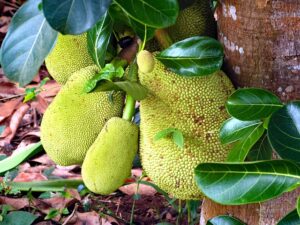
7. JACKFRUIT
The jackfruit is the largest tree-borne fruit in the world. Its sweet, fibrous pods are delicious, and the seeds are edible after roasting.
- Native place: Western Ghats, India
- Climate type: Warm and humid
- Fruit season: March to June
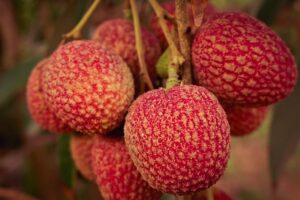
8. LYCHEE
Lychee trees are admired for their glossy leaves and clusters of red fruits. The white, juicy flesh inside is sweet and aromatic.
- Native place: Southern China
- Climate type: Tropical and subtropical
- Fruit season: May to July
9. DRAGON FRUIT
Also known as pitaya, this cactus fruit has bright pink skin and speckled white flesh. It’s mildly sweet and rich in antioxidants.
- Native place: Central America
- Climate type: Warm and dry
- Fruit season: June to October

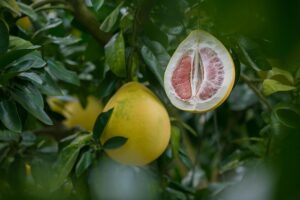
10. POMELO
The pomelo looks like a large grapefruit but is sweeter and less acidic. It grows well in tropical gardens and is high in Vitamin C.
- Native place: Southeast Asia
- Climate type: Warm and humid
- Fruit season: November to February
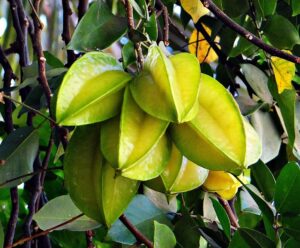
11. STARFRUIT
Starfruit, or carambola, gets its name from its star-shaped slices. It’s juicy with a balance of sweet and sour flavors.
- Native place: Southeast Asia
- Climate type: Tropical
- Fruit season: August to December
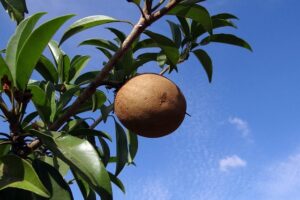
12. CHIKOO (SAPODILLA)
The chikoo or sapodilla tree produces brown, round fruits with a caramel-like flavor. It’s a great source of natural sugar and dietary fiber.
- Native place: Mexico
- Climate type: Tropical
- Fruit season: December to March
13. CUSTARD APPLE
Custard apple has a green, bumpy skin and creamy, sweet pulp inside. It’s rich in calcium and iron, making it a healthy snack.
- Native place: West Indies
- Climate type: Warm and dry
- Fruit season: September to December
14. WATER APPLE
Also called rose apple or java apple, this fruit has a bell-like shape and crisp, watery texture. Its mild sweetness is refreshing on hot days.
- Native place: Southeast Asia
- Climate type: Humid and warm
- Fruit season: April to June
15. PASSION FRUIT
The passion fruit vine produces small, round fruits filled with tangy pulp and seeds. Its juice is often used in desserts and mocktails.
- Native place: South America
- Climate type: Tropical
- Fruit season: June to January
16. JAMUN
Known for its deep purple color, Jamun or Indian blackberry has a tart-sweet taste and is excellent for blood sugar control.
- Native place: India
- Climate type: Warm
- Fruit season: May to August
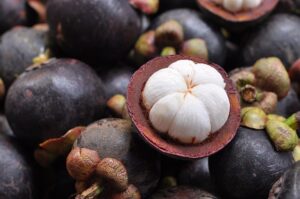
17. MANGOSTEEN
Often called the “Queen of Tropical Fruits,” mangosteen has thick purple skin and soft, white flesh that melts in the mouth.
- Native place: Indonesia
- Climate type: Humid and warm
- Fruit season: April to September
18. BREADFRUIT
Breadfruit trees produce large, starchy fruits that are cooked like potatoes. They are a vital food source in many tropical islands.
- Native place: Pacific Islands
- Climate type: Tropical and coastal
- Fruit season: May to October
19. RAMBUTAN
Similar to lychee, rambutan has a hairy red shell and translucent, juicy flesh. It’s sweet with a slightly acidic flavor.
- Native place: Malaysia
- Climate type: Tropical
- Fruit season: May to September
20. FIG
Fig trees thrive in tropical and subtropical regions. The soft, sweet fruits are eaten fresh or dried and are rich in minerals.
- Native place: Western Asia
- Climate type: Warm and dry
- Fruit season: June to September
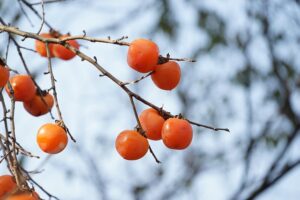
21. PERSIMMON
The persimmon is known for its rich orange color and honey-like sweetness. It’s enjoyed fresh or dried in many tropical countries.
- Native place: East Asia
- Climate type: Mild tropical
- Fruit season: October to February
22. AVOCADO
The avocado tree bears pear-shaped fruits rich in healthy fats and nutrients. It’s used in salads, smoothies, and even desserts.
- Native place: Central America
- Climate type: Warm and humid
- Fruit season: July to October
23. TAMARIND
Tamarind produces long brown pods filled with tangy pulp. It’s used in Indian chutneys, curries, and beverages.
- Native place: Africa
- Climate type: Tropical dry zones
- Fruit season: January to April
24. CARAMBOLA
Often confused with starfruit, carambola offers the same shape but comes in both sweet and sour types. It grows easily in home gardens.
- Native place: Southeast Asia
- Climate type: Warm
- Fruit season: August to January
25. SUGARCANE (GANNA)
Though not a fruit in the usual sense, the sugarcane fruit or Ganna is chewed for its sweet juice and tropical freshness.
- Native place: India
- Climate type: Hot and humid
- Fruit season: November to April
GROWING TROPICAL FRUITS AT HOME
If you live in a warm climate, you can grow many of these tropical fruits in your own backyard or terrace garden. Choose varieties that match your region’s temperature and rainfall.
- Most tropical fruits love full sunlight and well-drained soil.
- Regular watering is essential, especially during dry months.
- Protect plants from frost during winter in northern India.
HEALTH BENEFITS OF TROPICAL FRUITS
Tropical fruits aren’t just tasty; they’re packed with nutrition. Most are high in vitamins, antioxidants and fiber.
They help strengthen the immune system, improve digestion, and maintain hydration. Including a mix of them in your diet can naturally boost your overall health.
Read: 10 Best Mansoon Fruits You Must Know.
FREQUENTLY ASKED QUESTIONS
1. What are tropical fruits?
Tropical fruits are those that grow in regions near the equator where it’s warm and humid throughout the year. These conditions help the fruits develop a rich flavor, soft texture, and bright colors.
2. Can tropical fruits be grown in India?
Yes, many tropical fruits grow easily in India because of its warm climate. Regions like Kerala, Maharashtra, Tamil Nadu, and Assam are especially suitable for fruit cultivation.
3. Which tropical fruit is the healthiest?
Fruits like papaya, guava, and mango are among the healthiest. They contain Vitamin C, antioxidants, and fiber, all of which support immunity and digestion.
4. How can I grow tropical fruits at home?
To grow tropical fruits, choose well-drained soil and a sunny location. Regular watering, organic compost, and pest control help ensure strong growth and healthy harvests.
5. Which tropical fruit is available all year round?
Bananas, papayas, and coconuts are available almost throughout the year in India. They’re low-maintenance plants that produce fruit in multiple cycles annually.
CONCLUSION
This 25 tropical fruits name list shows how rich and diverse nature’s garden truly is. Whether you enjoy mangoes in summer or papayas all year, each tropical fruit has something unique to offer. For gardeners, growing them brings both beauty and bounty to the home space.