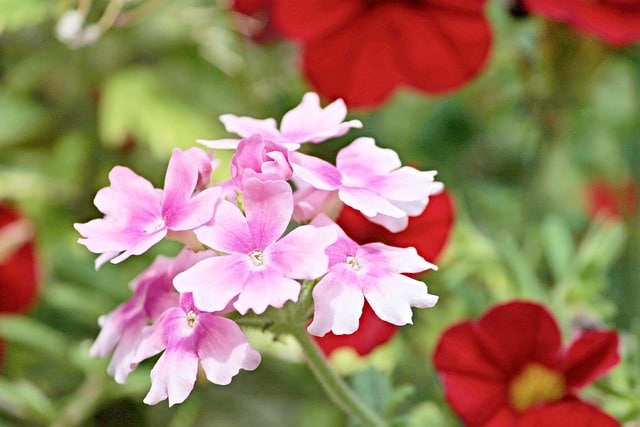
Verbena flower season in India is one of the most rewarding times for home gardeners. It was early February when I first noticed a burst of pinks and purples brightening the corners of my garden.
That’s when I truly understood the charm of verbena. The timing was perfect—mild mornings, soft sunlight and a gentle breeze. The season begins just when most winter blooms start to fade, filling the garden with fresh color and fragrance again.
“Verbena teaches us that resilience can still bloom in the sunniest corners and the driest soils.”
INTRODUCTION
Verbena is one of those flowers that quietly transforms a garden. Known for its clusters of tiny, bright blooms, this plant thrives when many others struggle under the Indian sun. The verbena flower season in India usually stretches from late winter to early summer, depending on the region. In cooler areas, it can even bloom into early monsoon months.
Verbena belongs to the family Verbenaceae and is loved for its versatility—it grows beautifully in garden beds, hanging baskets, and pots. You’ll find it in shades of pink, purple, white, red, and violet, often used for borders and ground cover.
Here’s a quick overview of this stunning flower:
| Feature | Description |
|---|---|
| Common Name | Verbena |
| Scientific Name | Verbena officinalis |
| Family | Verbenaceae |
| Native Region | South America |
| Flowering Season in India | February to June |
| Type | Annual or perennial (depending on climate) |
| Flower Colors | Pink, purple, red, white, violet |
| Ideal Temperature | 18–30°C |
| Soil Type | Well-drained, loamy soil |
| Sunlight | Full sun (6–8 hours daily) |
Verbena isn’t just another flower—it’s a mood lifter. Its long-lasting blooms and bright colors make it perfect for anyone who wants low-maintenance beauty in their garden.
HISTORY & ORIGIN
Verbena has a long and fascinating history. The name “Verbena” comes from the Latin word verbenas, which refers to sacred branches used in religious ceremonies in ancient Rome. Early civilizations, including Egyptians and Greeks, believed verbena had divine properties and used it for rituals and healing.
In ancient Europe, verbena was often called “tears of Isis” or “holy herb.” It symbolized peace, protection, and love. Over time, it made its way from the Americas to Asia and eventually became a garden favorite in India.
Culturally, verbena represents healing and creativity. In folklore, it was said to bring good fortune and restore harmony wherever it grew. Today, gardeners across India use it to decorate borders, balconies, and urban terraces because of its colorful, drought-tolerant nature.
GROWING CONDITION
Verbena loves the sun, warmth, and well-drained soil. It’s a sun seeker that thrives best in open, airy spaces.
Here’s what it needs to grow well:
- Soil: Verbena prefers sandy or loamy soil with good drainage. Add compost or organic manure before planting for better results.
- Sunlight: It needs at least 6 to 8 hours of sunlight daily. Partial shade can reduce flowering.
- Water: Water deeply once or twice a week. Avoid waterlogging, as it can cause root rot.
- Temperature: The ideal range is between 18°C to 30°C. In very hot regions, afternoon shade helps maintain bloom quality.
- Fertilizer: Use a balanced liquid fertilizer every 15 days during flowering season.
Whether in beds or containers, the key is sunlight and drainage. The plant can handle heat and dry conditions but struggles in soggy or shaded areas.
VARIETIES OF VERBENA
Verbena comes in several colorful varieties suited to different climates and garden styles. Some are trailing, others upright, but all share the same sun-loving nature.
1. Verbena rigida
This compact variety forms clusters of violet-purple blooms and thrives in hot, dry areas. It’s perfect for borders and containers.
Native place: South America
Fruit: Small nutlets
Climate type: Warm and dry
2. Verbena bonariensis
Known for its tall, airy stems and lilac-colored flowers, this variety attracts butterflies and bees. Ideal for cottage-style gardens.
Native place: Argentina
Fruit: Capsule
Climate type: Subtropical
3. Verbena hybrida
A hybrid favorite that blooms in many shades—pink, red, purple, and white. It’s the most common choice for Indian home gardens.
Native place: Hybrid origin
Fruit: Capsule
Climate type: Moderate
4. Verbena canadensis
This spreading type produces small, soft pink or purple flowers that form dense mats. It works beautifully as a ground cover.
Native place: North America
Fruit: Capsule
Climate type: Cool to warm
5. Verbena hastata
Tall and elegant, with blue to lavender spikes of flowers. It’s often used for herbal remedies in traditional medicine.
Native place: USA
Fruit: Capsule
Climate type: Temperate
6. Verbena tenuisecta
Also called moss verbena, this creeping variety has finely divided leaves and blooms continuously through summer.
Native place: Brazil
Fruit: Capsule
Climate type: Warm tropical
7. Verbena peruviana
Known for its rich scarlet blooms, it brings a vivid splash of red to any sunny corner. Great for rock gardens.
Native place: Peru
Fruit: Capsule
Climate type: Subtropical
8. Verbena tapien
A modern hybrid designed for continuous flowering. It grows low and wide, ideal for hanging baskets or ground cover.
Native place: Japan
Fruit: Capsule
Climate type: Warm humid
9. Verbena x hybrida ‘Quartz XP’
Popular in nurseries for its large, vibrant blooms and uniform growth. It performs well in both pots and garden beds.
Native place: Hybrid variety
Fruit: Capsule
Climate type: All climates
10. Verbena stricta
A hardy wild species with bluish-purple blooms that stand tall on long stems. It tolerates poor soils and dry air easily.
Native place: USA
Fruit: Capsule
Climate type: Cool and dry
CARE TIPS
Verbena is low-maintenance but needs a few consistent care habits to bloom continuously.
1. Pruning:
Trim the plant after each bloom cycle. Remove spent flowers and dry leaves. It encourages new growth and prevents the plant from getting leggy.
2. Repotting:
If grown in pots, repot once a year to refresh the soil. Use a slightly larger pot with good drainage holes.
3. Fertilizing:
Feed with a balanced fertilizer (10-10-10 NPK) every 2–3 weeks during active growth. Too much nitrogen leads to more leaves and fewer flowers.
4. Propagation:
You can propagate verbena through seeds or stem cuttings.
Cut a 4–6 inch stem, remove lower leaves, and plant it in moist soil. It roots within 2–3 weeks.
5. Watering:
Water deeply when the top soil feels dry. Avoid overhead watering to reduce fungal infections.
A simple routine of sunlight, pruning and feeding keeps verbena blooming for months.
PROBLEMS & SOLUTIONS
Like all plants, verbena can face a few common issues. Here’s how to fix them quickly:
| Problem | Cause | Solution |
|---|---|---|
| Powdery mildew | Humid or crowded conditions | Space plants apart and spray neem oil weekly |
| Root rot | Overwatering | Improve drainage and reduce watering |
| Aphids | Sap-sucking insects | Wash leaves or use mild insecticidal soap |
| Leaf spot | Fungal infection | Remove affected leaves and apply fungicide |
| No flowering | Low sunlight or excess nitrogen | Move to full sun and reduce fertilizer strength |
Regular inspection is key. Verbena recovers fast once conditions improve.
USES & BENEFITS
Verbena is more than a decorative flower—it offers both beauty and benefits.
Ornamental Use:
Perfect for borders, hanging baskets, or as ground cover. It adds color and texture to lawns, balconies, and rooftop gardens.
Medicinal Use:
Traditionally, Verbena officinalis has been used for mild fevers, headaches, and inflammation. Herbal teas made from its leaves are known for calming effects.
Environmental Benefits:
Verbena attracts pollinators like bees, butterflies, and hummingbirds, improving garden biodiversity. Its dense cover also reduces soil erosion.
Cultural Value:
In old European traditions, verbena was considered a “peace plant.” People planted it near doorways for harmony and good luck.
In modern gardens, it symbolizes creativity and serenity—a perfect match for today’s fast-paced life.
INTERESTING FACTS
- Verbena is often called “Vervain” in older texts and folklore.
- Some varieties can survive short droughts due to their deep roots.
- In Victorian flower language, verbena symbolized friendship and healing.
- The plant blooms continuously if deadheaded regularly.
- Verbena was once used in love potions and ancient healing rituals.
FAQs
1. What is the best season to plant verbena in India?
The best time to plant verbena in India is from late winter to early spring, usually between January and March. This allows the plant to establish roots before the heat sets in. In cooler hill regions, it can also be planted in late summer for a second bloom season.
2. How long does the verbena flower season last?
The verbena flower season in India generally lasts from February to June. With proper care, especially pruning and feeding, the blooms can continue until the early monsoon. In mild climates, some hybrids flower almost year-round.
3. Does verbena grow better in pots or ground?
Verbena grows well in both pots and ground, as long as the soil drains well and gets enough sunlight. In pots, make sure there are holes for drainage and avoid heavy clay soils. Ground planting allows the roots to spread, resulting in fuller growth.
4. Why is my verbena not flowering?
If your verbena is not flowering, check for sunlight and fertilizer balance. Lack of sunlight or too much nitrogen can reduce blooms. Deadhead regularly, water moderately, and ensure 6–8 hours of direct sun daily for best results.
5. Is verbena an annual or perennial plant in India?
Verbena can be both. In northern India, it often behaves like an annual because of cold winters. In southern and coastal regions, it acts as a perennial and continues to bloom year after year with mild pruning and care.
Conclusion
The verbena flower season in India brings a wave of colors just when gardens need it most. It’s a resilient, cheerful plant that thrives with minimal attention and rewards us with months of blooms. Whether you plant it in pots, lawns, or balcony railings, verbena adds a lively touch that lifts any space.
If you’ve never tried growing it before, now’s the perfect time. All it asks for is sunlight, well-drained soil, and a little love.
Thanks for reading. Keep growing, keep exploring, and don’t forget to return here at gardeningbud.com for more plants, tips and gardening wisdom.