
A friend once gifted us a small box of dried apricots after returning from a trip to the himachal pradesh. At first they looked like ordinary dried fruits but one bite revealed a rich sweetness and chewy texture that instantly stood out.
That gift sparked our curiosity about where dried apricots come from and the remarkable apricot trees that produce them.
DRIED APRICOTS
Dried apricots are among the most popular dried fruits in the world. They combine natural sweetness with a long shelf life and impressive nutritional value.
While most people enjoy them as a healthy snack many gardeners are surprised to learn that dried apricots begin their journey on beautiful apricot trees.
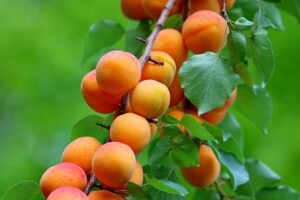
The apricot tree is attractive productive and rewarding to grow. Understanding the tree helps us better appreciate the dried fruit that eventually reaches our kitchen.
Whether you are interested in growing apricot trees or simply curious about dried apricots this guide covers everything from history to cultivation and importance.
| Feature | Description |
|---|---|
| Common Product | Dried Apricots |
| Tree Name | Apricot Tree |
| Scientific Name | Prunus armeniaca |
| Family | Rosaceae |
| Native Region | Central Asia |
| Fruit Color | Orange to golden yellow |
| Harvest Season | Late spring to summer |
| Drying Method | Sun drying or dehydration |
| Tree Height | 6 to 12 meters |
| Best Climate | Temperate regions with cold winters |
“Dried apricots are little pieces of sunshine preserved for another season.”
HISTORY AND ORIGIN
The story of dried apricots begins thousands of years ago. Apricots are believed to have originated in Central Asia where they grew naturally in mountainous regions.
Ancient traders carried apricots along trade routes connecting Asia Europe and the Middle East. Because fresh fruits spoiled quickly people developed drying techniques to preserve them for long journeys.
Over time dried apricots became a valuable food source. They provided energy nutrition and sweetness during seasons when fresh fruits were unavailable.
Many cultures included dried apricots in traditional recipes festivals and celebrations. Even today they remain important in cuisines across Turkey Iran Armenia and several Mediterranean countries.
ETYMOLOGY
Apricot first appeared in English in the 16th century as abrecock from the Middle French aubercot or later abricot,from Spanish albaricoque , in turn from Arabic (al-barqūq, ‘the plums‘), from Byzantine Greek ‘apricot tree‘.
The scientific name Prunus armeniaca reflects an old belief that Armenia was the fruit’s place of origin. Although modern research points more strongly toward Central Asia the historical connection remains in its botanical name.
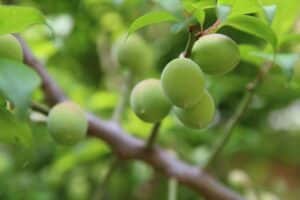
IDEAL GROWING CONDITIONS
Growing apricot trees successfully requires understanding their natural preferences.
SOIL
Apricot trees prefer well-drained loamy soil rich in organic matter. Good drainage is essential because standing water can damage roots.
A soil pH between 6.0 and 7.5 supports healthy growth and fruit production.
WATER
Young trees need regular watering during establishment.
Mature trees are moderately drought tolerant but still produce better fruits when watered consistently during flowering and fruit development.
Deep watering is more beneficial than frequent shallow watering.
SUNLIGHT
Apricot trees love full sunlight.
At least six to eight hours of direct sunlight daily encourages strong growth healthy flowering and sweeter fruits.
TEMPERATURE
Apricot trees require cold winters to break dormancy properly.
They grow best where winter temperatures drop sufficiently while summers remain warm and sunny.
REGION SUITABILITY
Apricots perform best in temperate climates.
In India they are commonly grown in Himalayan regions including parts of Jammu and Kashmir Himachal Pradesh and Uttarakhand.
WHEN TO PLANT SEEDS OR BUY SAPLINGS
Seeds can be planted during autumn after stratification. However growing from seed takes patience because fruiting may take several years.
Most gardeners prefer nursery-grown saplings.
The best time to plant saplings is during late winter or early spring before active growth begins.
Healthy grafted saplings usually produce fruit earlier and maintain desired characteristics.
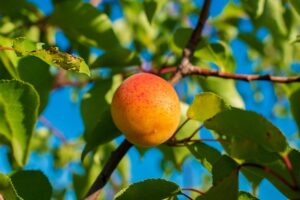
POPULAR VARIETIES AND SPECIES
MOORPARK APRICOT
A classic variety known for large flavorful fruits excellent drying quality and dependable harvests in suitable growing conditions.
- Native place: England
- Fruit name: Moorpark Apricot
- Ideal climate: Temperate regions
TILTON APRICOT
Popular among commercial growers because of its productive nature balanced sweetness and suitability for drying and processing.
- Native place: United States
- Fruit name: Tilton Apricot
- Ideal climate: Cool temperate climates
ROYAL APRICOT
Known for attractive fruits rich flavor and strong adaptability making it popular among home gardeners worldwide.
- Native place: Europe
- Fruit name: Royal Apricot
- Ideal climate: Mild temperate regions
HARCOT APRICOT
Produces excellent fruits with good disease resistance and reliable yields even in slightly cooler growing areas.
- Native place: Canada
- Fruit name: Harcot Apricot
- Ideal climate: Cool temperate climates
KASHMIRI APRICOT
Widely grown in northern India for fresh consumption drying and traditional local food products.
- Native place: Kashmir region
- Fruit name: Kashmiri Apricot
- Ideal climate: Himalayan temperate regions
TREE CARE AND MAINTENANCE
Apricot trees are relatively easy to maintain once established.
PRUNING
Annual pruning helps maintain shape and improve airflow.
Remove dead damaged and overcrowded branches during dormancy.
Proper pruning also encourages better fruit production.
WATERING SCHEDULE
Young trees should receive water once or twice weekly depending on weather.
Mature trees need deep watering during flowering fruit development and extended dry periods.
FERTILIZING
Apply compost or balanced fertilizer during early spring.
Avoid excessive nitrogen because it encourages leaf growth at the expense of fruit production.
MULCHING
Organic mulch conserves moisture suppresses weeds and improves soil quality over time.
Keep mulch slightly away from the trunk to prevent rot.
PROPAGATION
Apricots can be propagated through seeds grafting and budding.
Commercial growers usually prefer grafting because it ensures consistent fruit quality.
COMMON PROBLEMS AND SOLUTIONS
PESTS
Aphids fruit borers and scale insects can affect apricot trees.
Neem oil applications and encouraging beneficial insects often help control infestations naturally.
DISEASES
Brown rot powdery mildew and bacterial canker are common concerns.
Proper spacing good airflow and sanitation significantly reduce disease pressure.
PREVENTIVE MEASURES
Regular inspections help identify problems early.
Removing fallen fruits and pruning infected branches keeps trees healthier throughout the season.
ECONOMIC AND ENVIRONMENTAL IMPORTANCE
FARMING SCOPE
Apricot cultivation provides income opportunities for farmers in suitable climates.
The growing demand for dried fruits continues to create profitable markets.
MARKET VALUE
Dried apricots are valued worldwide because of their nutritional benefits convenience and long storage life.
Premium quality dried apricots often command attractive prices.
ECOSYSTEM BENEFITS
Apricot trees support pollinators including bees and beneficial insects.
Their blossoms contribute to biodiversity within orchards and gardens.
CARBON ROLE
Like other fruit trees apricots absorb carbon dioxide during growth.
Long-term orchards contribute to carbon storage while also producing valuable food.
INTERESTING FACTS
- Drying apricots concentrates their natural sweetness without adding sugar.
- Turkey is one of the world’s largest producers of dried apricots.
- Apricot trees belong to the same family as peaches plums and cherries.
- Dried apricots contain significantly more fiber per gram than fresh apricots.
- Traditional sun-drying methods have been used for thousands of years.
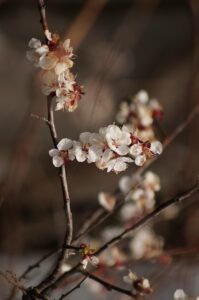
- Apricot blossoms often appear before leaves emerge.
- Some apricot trees can continue producing fruit for several decades.
FAQS
ARE DRIED APRICOTS HEALTHIER THAN FRESH APRICOTS?
Dried apricots contain concentrated nutrients because much of the water has been removed. They provide more fiber and minerals per serving. However they also contain more natural sugars by weight so portion control remains important.
CAN APRICOT TREES BE GROWN IN HOME GARDENS?
Yes. Apricot trees can grow successfully in home gardens where climate conditions are suitable. They need full sunlight good drainage and sufficient winter chilling. With proper care a healthy tree can provide fruit for many years.
HOW LONG DOES IT TAKE FOR AN APRICOT TREE TO PRODUCE FRUIT?
Most grafted apricot trees begin producing fruit within three to five years after planting. Growth rate depends on variety climate soil quality and overall tree care practices throughout the growing season.
WHAT IS THE BEST WAY TO DRY APRICOTS AT HOME?
Fresh ripe apricots can be halved and dried in a food dehydrator or under clean sunny conditions. Proper drying reduces moisture while preserving flavor. Once dried they should be stored in airtight containers.
WHY ARE SOME DRIED APRICOTS BRIGHT ORANGE WHILE OTHERS ARE DARKER?
Bright orange dried apricots are often treated with sulfur dioxide to preserve color. Naturally dried apricots usually become darker brown or deep orange. Both types can be nutritious though many people prefer untreated options.
CONCLUSION
Dried apricots represent much more than a healthy snack. They tell the story of a beautiful fruit tree that has traveled across continents and generations. From their ancient origins to modern orchards apricots continue to provide nutrition flavor and economic value.
For gardeners the apricot tree offers attractive blossoms delicious fruits and the satisfaction of harvesting produce that can be enjoyed long after the season ends.
Thanks for reading. Keep growing, keep exploring, and don’t forget to return here at gardeningbud.com for more plants, tips and gardening wisdom.