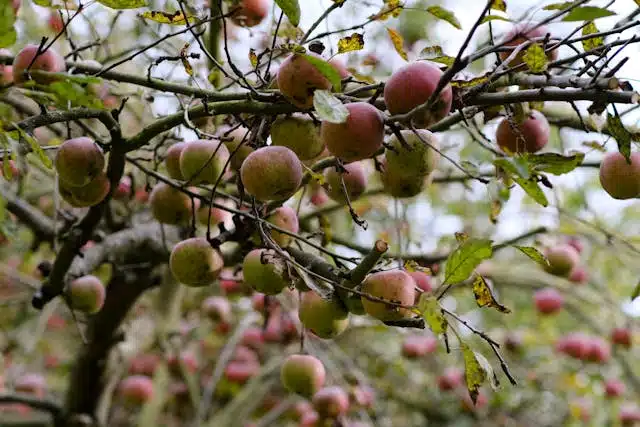
types of apple in india always remind us of long train trips where we carried crisp fruits wrapped in old newspapers. Many of us first tasted a sweet red apple as kids and felt that simple joy of a cool crunchy bite.
Today when we grow apples or buy them fresh we realise how many different types exist across India. Each has its own flavour texture and charm.
“An apple may look simple but every variety carries a story of climate soil and patience.”
INTRODUCTION
We often think apples grow only in cold countries but India grows many unique apples with rich taste. When we explore types of apple in india we discover how big the range really is.
Some taste sweet with soft flesh others stay firm with a mild tart bite. These differences come from mountain climates soil nutrients and years of careful farming.
Apples flourish mainly in Himalayan belts where summers stay gentle and winters bring cold spells. Farmers rely on steady rainfall and fertile slopes.
As home gardeners we may not grow apple trees in most regions but we can still learn about them taste them and choose the right varieties for our gardens if we live in cooler states.
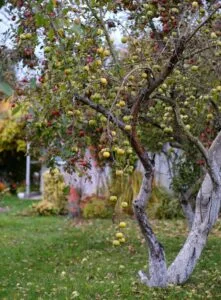
Table describing the apple plant itself not the varieties.
| Feature | Description |
|---|---|
| Plant Type | Deciduous fruit tree grown in cool temperate climates |
| Scientific Name | Malus domestica |
| Leaf Structure | Oval leaves with serrated edges and soft texture |
| Root System | Deep roots with strong lateral branches for anchoring |
| Flowering Season | Spring when mild warmth triggers blooms |
| Fruit Type | Pome fruit with crisp flesh and smooth skin |
| Ideal Light | Full sun for strong growth and fruiting |
| Water Requirement | Regular watering during dry periods with good drainage |
| Temperature Range | Prefers 3°C to 24°C for best fruit quality |
| Soil Preference | Loamy well drained soil with steady organic matter |
HISTORY AND ORIGIN
Apples have travelled across continents for thousands of years. Traders carried them through Central Asia Europe and the Middle East.
India welcomed apples during colonial times but the real growth started when farmers in Himachal Pradesh Uttarakhand and Kashmir shaped local farming systems around them.
Apple orchards soon became part of mountain culture. Families planted trees on terraced slopes. Children learned pruning from elders. Everything revolved around seasons frost snow and bloom timing.
ETYMOLOGY
The word apple comes from old Germanic roots linked to terms meaning fruit or tree produce. Over time it became a general word for sweet fruits with firm skin and crisp flesh.
IDEAL GROWING CONDITIONS
SOIL
Apple trees love loose fertile soil. We choose a mix rich in organic matter that drains well after rainfall.
WATER
We water them deeply during dry spells. Regular moisture helps fruits develop uniform size and flavour.
SUNLIGHT
Apples need full bright sun. Shade reduces sweetness and slows growth.
TEMPERATURE
These trees depend on winter chill between 3°C and 7°C for fruit bud formation. Without cold they produce weak blooms.
REGION SUITABILITY
Apples thrive in Himachal Pradesh Kashmir Uttarakhand Arunachal Pradesh and some cool pockets of Sikkim and Nagaland.
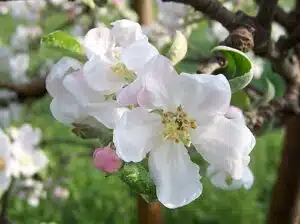
WHEN TO PLANT SEEDS OR BUY SAPLINGS
Growing apples from seeds is slow and unpredictable. We usually buy grafted saplings from trusted nurseries. These saplings are ready for planting during late winter or early spring when the soil starts warming.
Grafted plants produce fruits faster and follow known growth patterns which makes orchard planning easier.
POPULAR VARIETIES OR SPECIES
Below are some well known types of apple in india along with short details and three key points each.
Red Delicious
This popular variety has deep red skin with sweet flavour and soft juicy flesh.
• Native place: USA
• Fruit or flower name: red delicious
• Ideal climate: cool temperate hills

Royal Delicious
It grows longer fruits with uniform red stripes and a mild sweet taste.
• Native place: USA
• Fruit or flower name: royal delicious
• Ideal climate: cold hilly zones
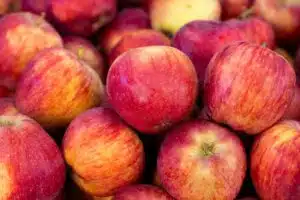
Golden Delicious
A yellow green apple with crisp juicy flesh and gentle sweetness.
• Native place: USA
• Fruit or flower name: golden delicious
• Ideal climate: cool dry valleys
Kinnaur Apple
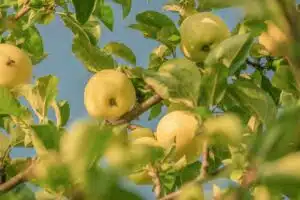
Known for natural sweetness firm bite and bright colour grown in high altitude farms. This is a premium Indian variety cultivated at altitudes over 10,000 feet in Himachal Pradesh.
• Native place: Himachal Pradesh
• Fruit or flower name: kinnaur apple
• Ideal climate: cold high mountains
Ambri Apple (Kashmiri Apple)
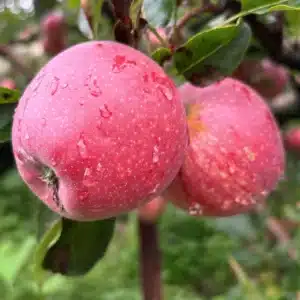
This heritage Kashmiri apple has smooth skin mild crunch and sweet aroma.
• Native place: Kashmir
• Fruit or flower name: ambri
• Ideal climate: cool frost friendly areas

McIntosh Apple
Soft aromatic flesh with a mix of sweet and tart notes.
• Native place: Canada
• Fruit or flower name: mcintosh
• Ideal climate: cool moist regions
Honeycrisp
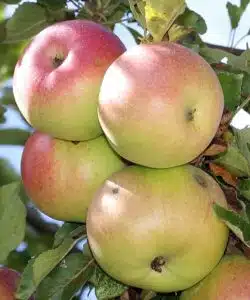
Crisp sweet juicy texture with refreshing crunch.
• Native place: USA
• Fruit or flower name: honeycrisp
• Ideal climate: cold bright orchards
Gala Apple
Small bright apples with sweet flavour perfect for snacking.
• Native place: New Zealand
• Fruit or flower name: gala
• Ideal climate: mild temperate hills
Fuji Apple
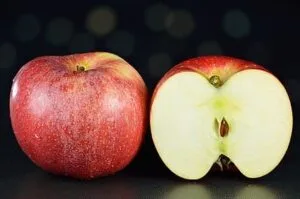
Very sweet apples with thick skin and long shelf life.
• Native place: Japan
• Fruit or flower name: fuji
• Ideal climate: cold dry regions
Chaubattia Anupam
Indian hybrid with balanced sweetness long storage life and firm flesh.
• Native place: Uttarakhand
• Fruit or flower name: anupam
• Ideal climate: cool temperate hills
ECONOMIC AND ENVIRONMENTAL IMPORTANCE
Apples support thousands of farmers across India. Orchard tourism storage businesses transport networks and local markets benefit from yearly harvests.
Apples have strong demand because they store well and stay fresh for weeks without losing flavour. They contribute to rural employment during pruning flowering and picking seasons.
Environmentally apples help protect mountain slopes by holding soil with their roots. Orchards support birds bees insects and small animals. Apple trees also store carbon in wood and soil as they grow which makes orchards valuable for long term ecological stability.
INTERESTING FACTS
- Apples float because one fourth of the fruit is filled with air pockets.
- Bees pollinate most apple flowers which makes them vital for good harvests.
- One apple tree can live more than fifty years with proper care.
- India grows over a dozen regional apple types across mountain belts.
- Cold winters help form better colour and stronger flavour in apples.
FAQS
1. Why do apples grow best in cold climates?
Apples need winter chill to trigger fruit bud development. Without cold hours trees may bloom weakly and produce low quality fruits. Chill helps reset the tree for the next season which is why regions with snowy winters become perfect apple belts.
2. Can we grow apples in warm parts of India?
It is possible only with low chill varieties. Most apple types need cold winters so warm areas may not support proper bloom or fruit set. Gardeners in warm regions often try container varieties but results vary. Cool hill stations still offer the best conditions.
3. How long does an apple tree take to bear fruit?
Grafted saplings usually take three to four years to produce first fruits. Seed grown trees take much longer and may not produce good quality apples. Nursery saplings grow faster and offer predictable results which makes them better for orchards.
4. What makes Kinnaur apples so popular?
Kinnaur apples grow in high altitudes with clean air cold nights and bright days. These conditions develop strong sweetness firm texture and rich colour. Their natural flavour attracts buyers who value taste over appearance which keeps demand steady.
5. How can we store apples for longer freshness?
We keep apples in cool dry spaces with good airflow. Wrapping them lightly or spacing them in crates prevents bruising. Refrigeration keeps apples fresh for weeks. We avoid storing damaged fruits near healthy ones because they spoil faster and spread decay.
CONCLUSION
Apple varieties in India show how climate and care shape flavour. From royal delicious to ambri each holds a special taste. As we learn about types of apple in india we understand the hard work behind every crisp bite.
These trees bring life to mountain slopes and support countless families who farm them with dedication. When we pick the right variety we enjoy apples at their best and support growers who keep old traditions alive.
Thanks for reading. Keep growing keep exploring and don’t forget to return here at gardeningbud.com for more plants tips and gardening wisdom.