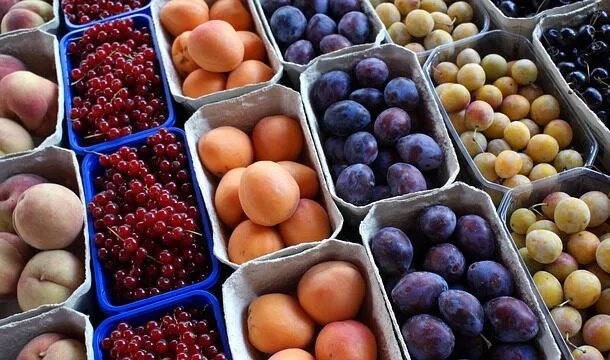
The name “stone fruit” sounds a little strange at first. It almost feels like we are talking about a fruit made of rock. That is exactly what makes it interesting. But here is the surprise.
A stone fruit is not a single fruit at all. It is a group of fruits that share one hidden feature at their core.
The term refers to fruits that contain a hard pit in the center. This pit looks like a small stone and protects the seed inside. That simple structure is what connects fruits like peaches, plums, cherries, apricots, nectarines and even mangoes.
These fruits are widely grown across the world and are known for their juicy flesh, natural sweetness and refreshing taste. Once we understand what makes a fruit a stone fruit, we start noticing them everywhere in daily life.

What Makes a Fruit a Stone Fruit?
A fruit is called a stone fruit when it has a soft outer flesh and a single hard seed enclosed inside a protective shell. This structure is scientifically known as a drupe.
The key parts include:
- Outer skin
- Juicy flesh
- Hard pit in the center
- Seed inside the pit
This design helps protect the seed while also attracting animals to eat the fruit and spread the seeds naturally.
Common Examples of Stone Fruits
Stone fruits include many popular and widely eaten fruits:
- Peach
- Plum
- Cherry
- Apricot
- Nectarine
- Mango
- Olive
- Lychee (often discussed in this category)
- Coconut (botanically classified as a drupe)
Each of these fruits may look and taste different, but their internal structure is quite similar.
Stone Fruit vs Other Fruit Types
Stone fruits are often compared with pome fruits like apples and pears. The difference lies mainly in the seed structure.
In stone fruits, there is a single hard pit in the center. In pome fruits, seeds are found in a small core surrounded by flesh.
This simple difference helps botanists classify fruits more clearly.
Health Benefits of Stone Fruits
Stone fruits are not only tasty but also nutritious. They are naturally rich in vitamins, fiber and antioxidants.
Some common benefits include:
- Supporting digestion due to dietary fiber
- Helping hydration because of high water content
- Providing vitamin C for immunity
- Offering natural antioxidants that support overall health
- Being low in fat and easy to include in daily diet
They are often eaten fresh but also used in juices, jams, desserts and salads.
Where Are Stone Fruits Grown?
Stone fruits are grown in many parts of the world depending on the variety.
Peaches and cherries grow well in temperate climates, while mangoes thrive in tropical regions. Apricots and plums are cultivated in both warm and moderate climates depending on the variety.
This wide adaptability is one reason why stone fruits are so commonly available in global markets.
Interesting Facts About Stone Fruits
- The word “drupe” is the botanical name for stone fruits
- Mango is one of the largest stone fruits in terms of size and popularity
- Coconut is technically a stone fruit even though it looks very different
- Stone fruits are closely linked with seasonal eating patterns
- Many stone fruits do not ripen well once picked, which is why timing matters
Frequently Asked Questions
1. What exactly is a stone fruit?
A stone fruit is a type of fruit that contains a single hard pit in the center. This pit protects the seed inside. Fruits like peaches, plums, cherries, apricots and mangoes belong to this category because they all share this same internal structure even though their appearance and taste are very different.
2. Is mango a stone fruit?
Yes, mango is considered a stone fruit because it has a large hard seed inside its flesh. Even though mango is tropical and very different in taste and texture from peaches or plums, it still follows the same botanical structure of a drupe with one central stone-like seed.
3. How are stone fruits different from apples?
Stone fruits have a single hard pit in the center, while apples have multiple small seeds arranged in a core. Apples belong to a different category called pome fruits. This structural difference is the main reason they are classified separately in botany.

4. Are stone fruits healthy to eat every day?
Yes, stone fruits can be part of a daily diet because they are rich in vitamins, fiber and antioxidants. They support digestion and immunity while being naturally low in fat. However, like any fruit, they should be eaten in balanced quantities as part of a varied diet.
5. Why are they called stone fruits?
They are called stone fruits because of the hard, stone-like pit found inside them. This pit protects the seed and gives the entire group its name. The term helps easily identify fruits that share this common structure in both scientific and everyday language.
Conclusion
Stone fruits may sound simple, but they represent a wide and fascinating group of fruits that we enjoy in many forms. From a juicy peach on a summer afternoon to a ripe mango in the monsoon season, these fruits are part of our daily lives more than we realize.
Once we understand the structure behind them, we start seeing a clear connection between many familiar fruits. That small hidden “stone” at the center is what ties them all together.